We took a drive down to the tip of the Peninsula to see the Point Nepean area. This area has been significant for its use as a quarantine station and also by the military for training and defence. Both uses have left behind many traces to engage our minds. Once the area was no longer used for those purposes it was passed to national parks. It had been saved from human occupancy and now offers a beautiful area of bushland to enjoy.
The 100km long “Mornington Peninsula Walk” includes this section. This is also the area where Prime Minister Harold Holt went missing in 1967 while skin-diving. The narrow gap between Bass Straight and Port Phillip is a treacherous area, with sunken reefs which has seen many shipwrecks.
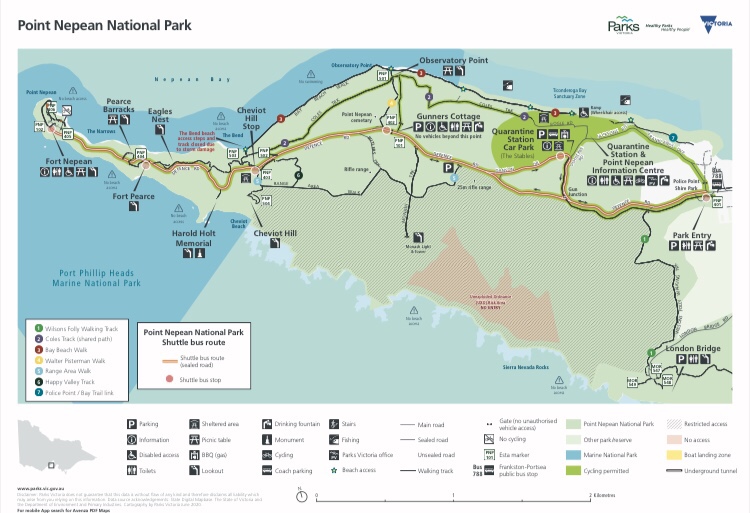
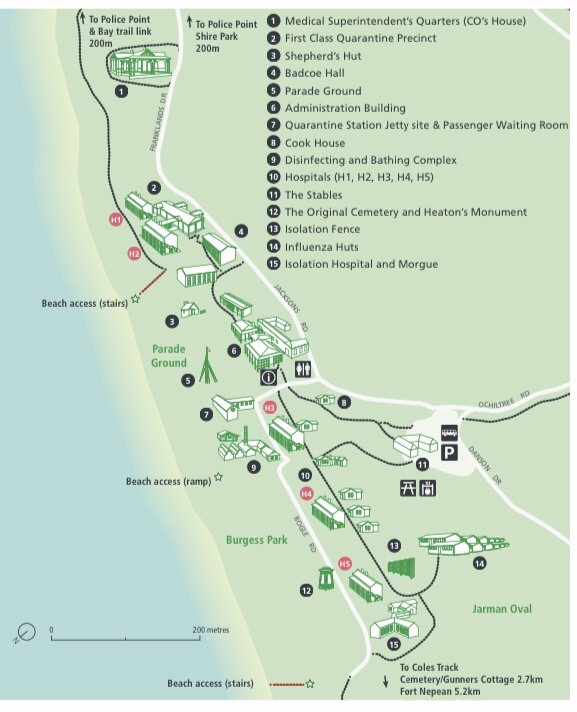
We started at the quarantine station. We had read that we might be able to get an audio information device, but the ranger on duty seemed a bit unsure. She didn’t really know how to use the ipods available for loan, but there were fairly clear instructions, so we figured it out together. They were actually loaded with lots of info about the area … it just didn’t neccesarily tie in to the location we were at – which caused a bit of consternation initially, but once we relaxed and walked around following the map so we knew what we were looking at, and listened so we took in the information as well, we were able to put it all together pretty well. It was much easier than reading lots of signs and offered more depth of information. The one drawback was that we had to have them back by 3:45.
We picked up the ipods at the information area (near the toilets on the map) and walked east (towards the top of this map) first. The first class area was a bit higher up the hill than the lowly third class.
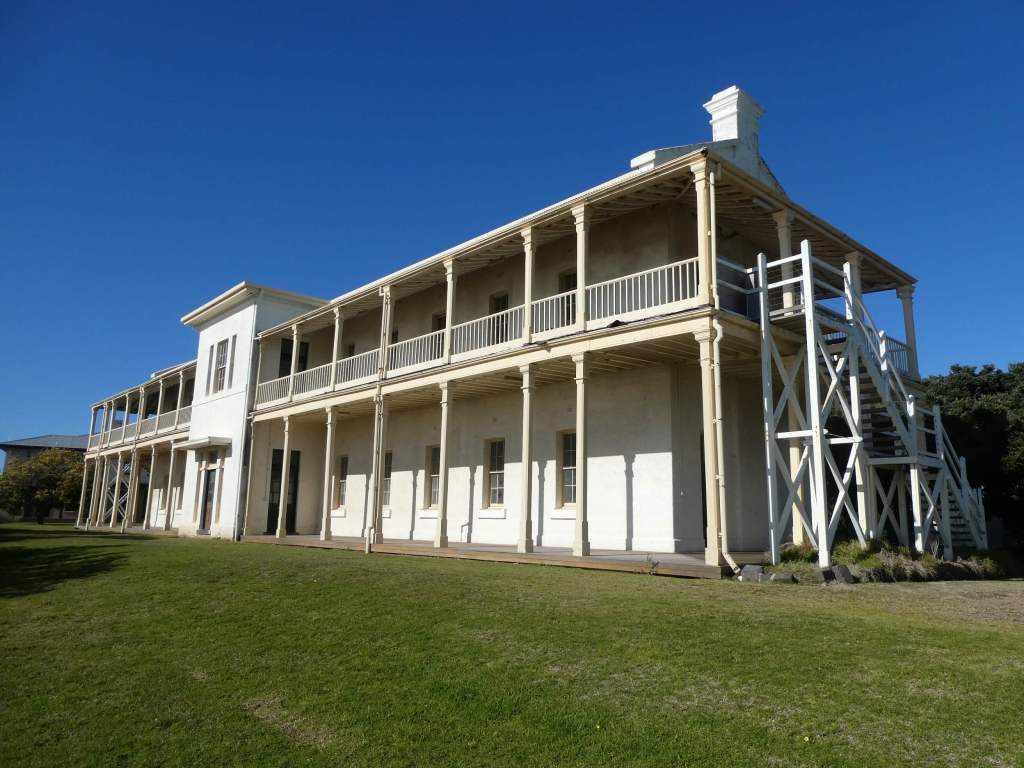
There were also some newer buildings near here which we assumed were left from the days when the area was used for training the military. These accomodation blocks seemed to have been left to die a natural death. We used the beach access stairs to find the remnants of the old lime kiln (one of the original uses of the area).
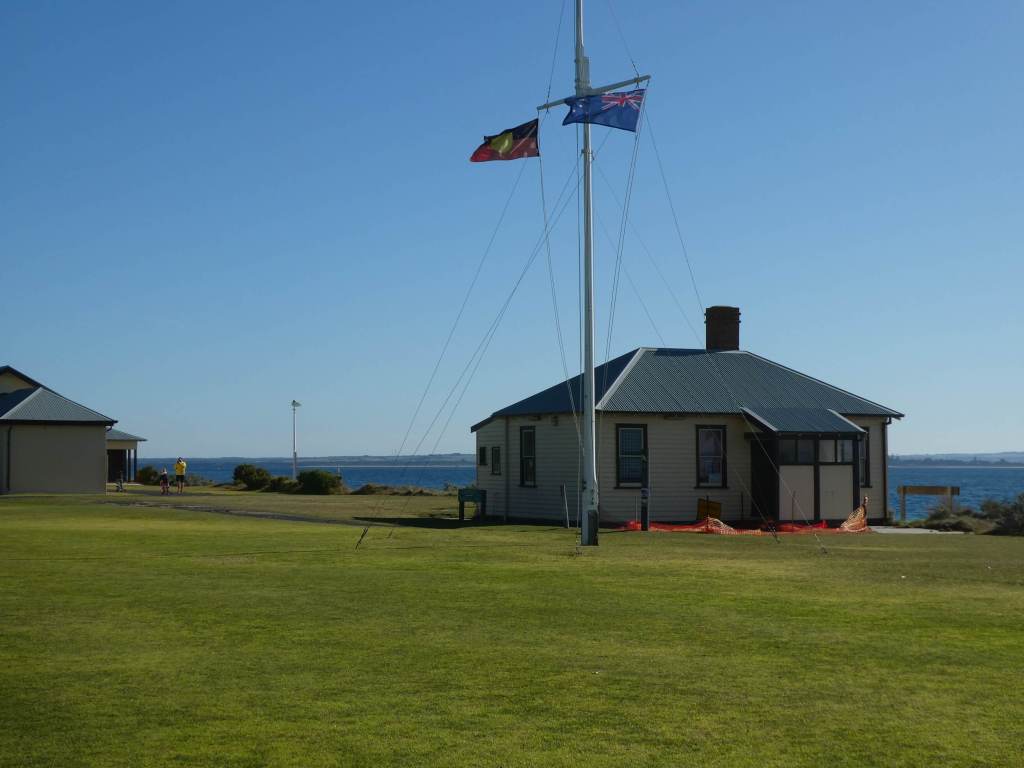
Coming past the flagpole (across the parade ground) we then reached the crucial part of the quarantine station – the waiting room, disinfecting and bathing complex and the first of the main hospital buildings.
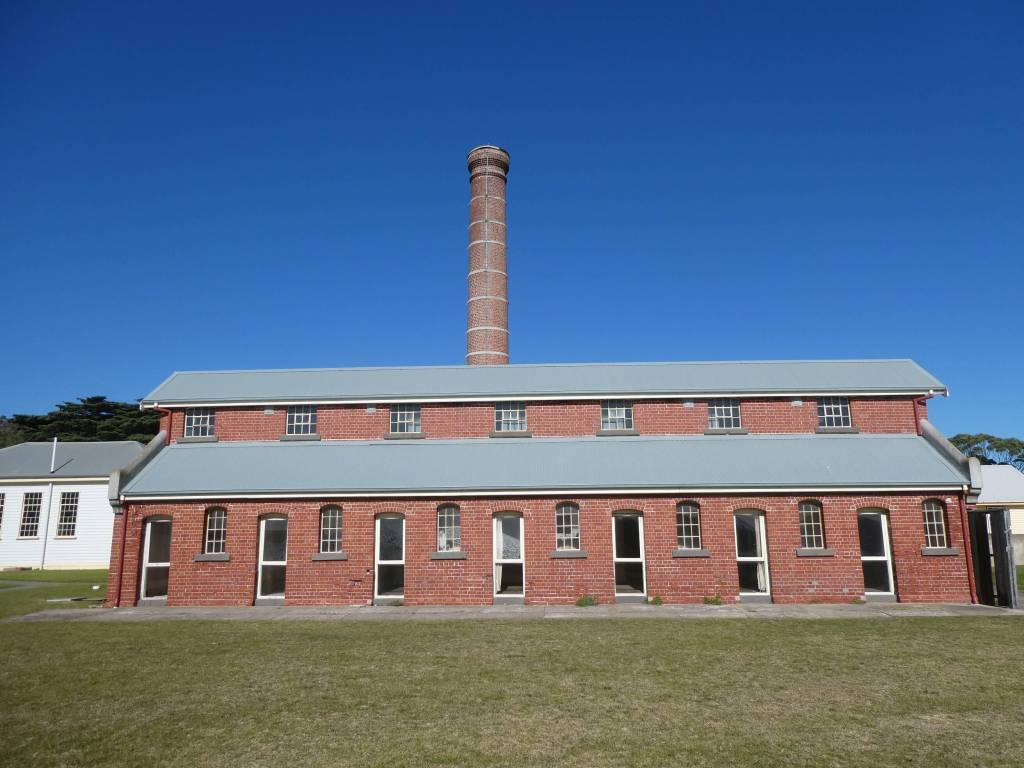
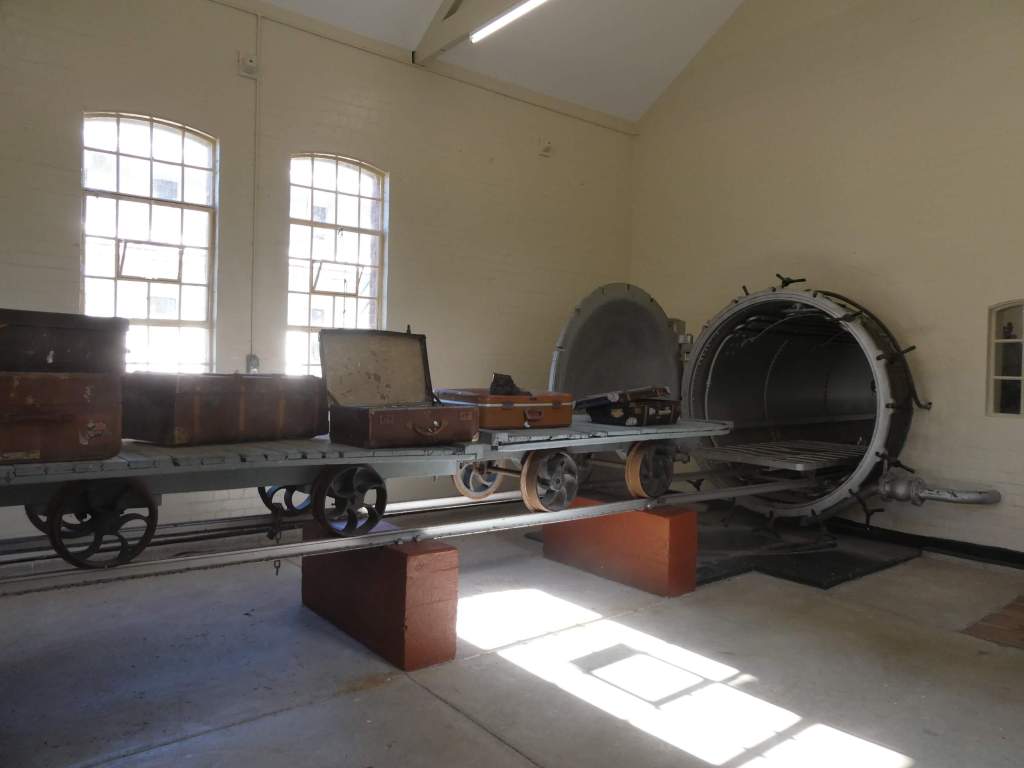
The disinfecting area was very similar (but in better shape) to the one we saw at Garden Island (near Port Adelaide) where our old SA quarantine station used to be. You could see through the windows to the bathing area where the unfortunate peope were stripped and scrubbed and then to the areas where their small allowment of clothing was disinfected either by heat or by chemical means, before being returned to them..
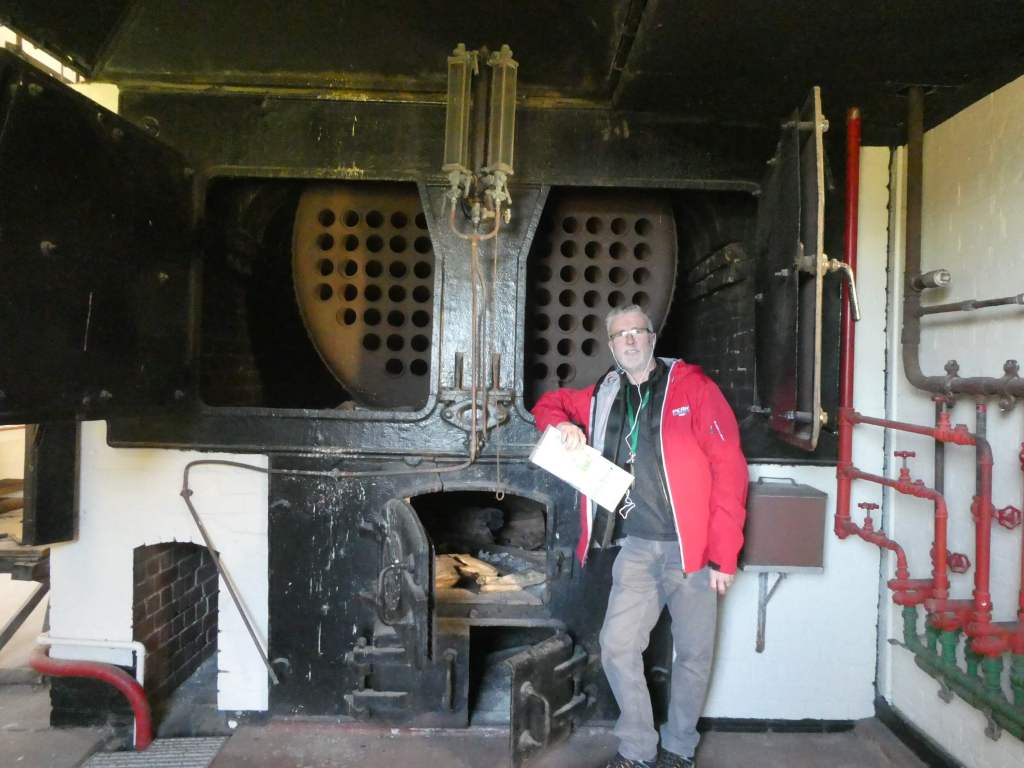
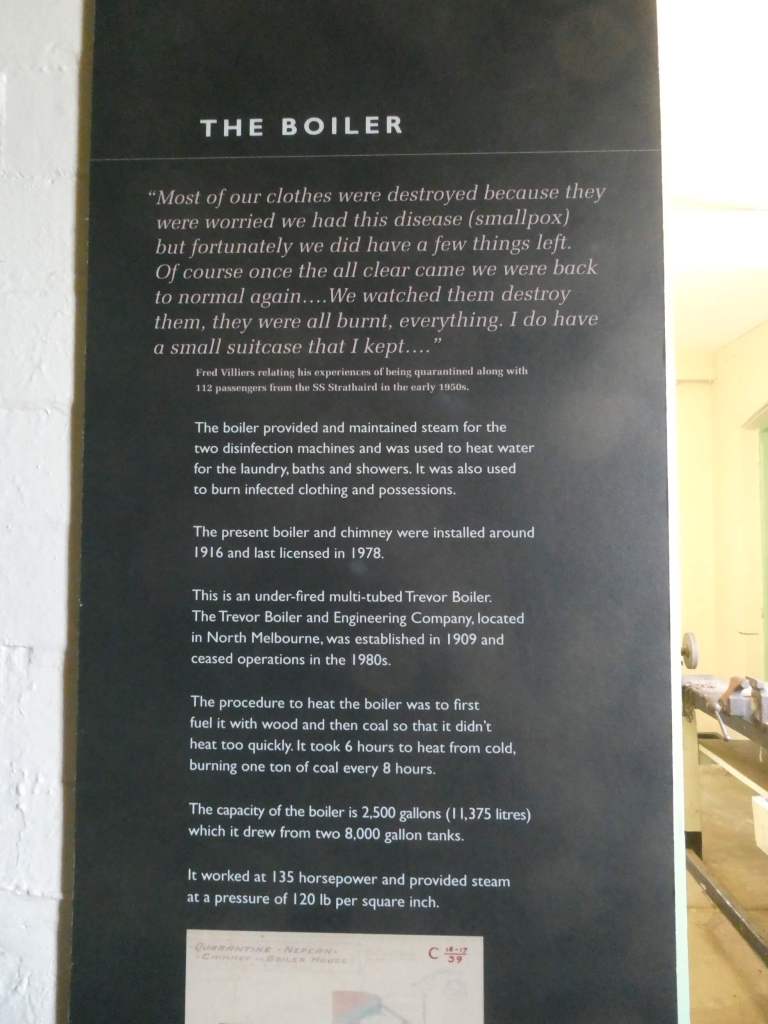
There were railway tracks to move the articles through the steriliser. There is a Trevor boiler (made by the Trevor Boiler and Engineering Company in Melbourne) so we needed a picture of my Trevor in front of it. You could see why it took a while to heat up.
We were able to go into one of the hospital buildings and the cook house behind where they all needed to cook their own meals. For years there was no plan at all for waste management. I’m not sure that would have helped the health of patients.
The area was used for a number of purposes – It was used in the Spanish Flu outbreak of 1919, taking returning soldiers from World War one, and was also used to house Kosovo Refugees briefly, as well as for training and housing military personnel and for dental training.
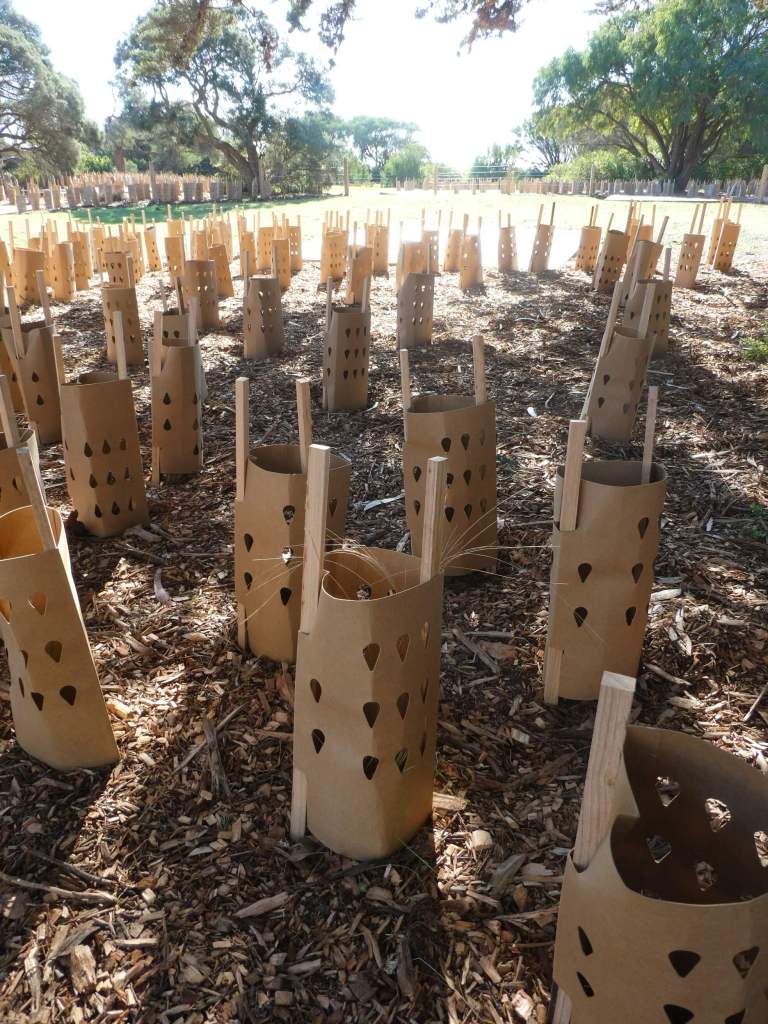
There is a lot of work going in to preparing a campground near the quarantine station at the moment. Lots of sturdy cardboard shelters around new plantings and platforms for camping on.
We took a break, heading back in to the nearest cafe, where we found some lunch, before heading back into the park a bit further west. We parked at the Gunners Cottage and walked from there towards the tip, along with lots of other walkers. This was to be the only decent day of the weekend, so it was pretty busy.
The tracks varied – sometimes they were sandy, between the twisted Moonah trees, sometimes we had to walk on the road, and sometimes we had a formed path off of the road. The only vehicles in this far were the parks vehicles or the shuttle bus that operates every half hour or so on a loop. And the bicycles.
Speaking of the Moonah trees, we heard on the ipod the fable of the girl and boy from the same family group who fell in love but were not allowed to see each other as their love was taboo. They continued to meet, so she was turned into a Moonah tree and he into a whirlpool in the ocean. You can still see the Moonah trees twisting towards the ocean and the whirlpools rushing to meet the trees if you look.
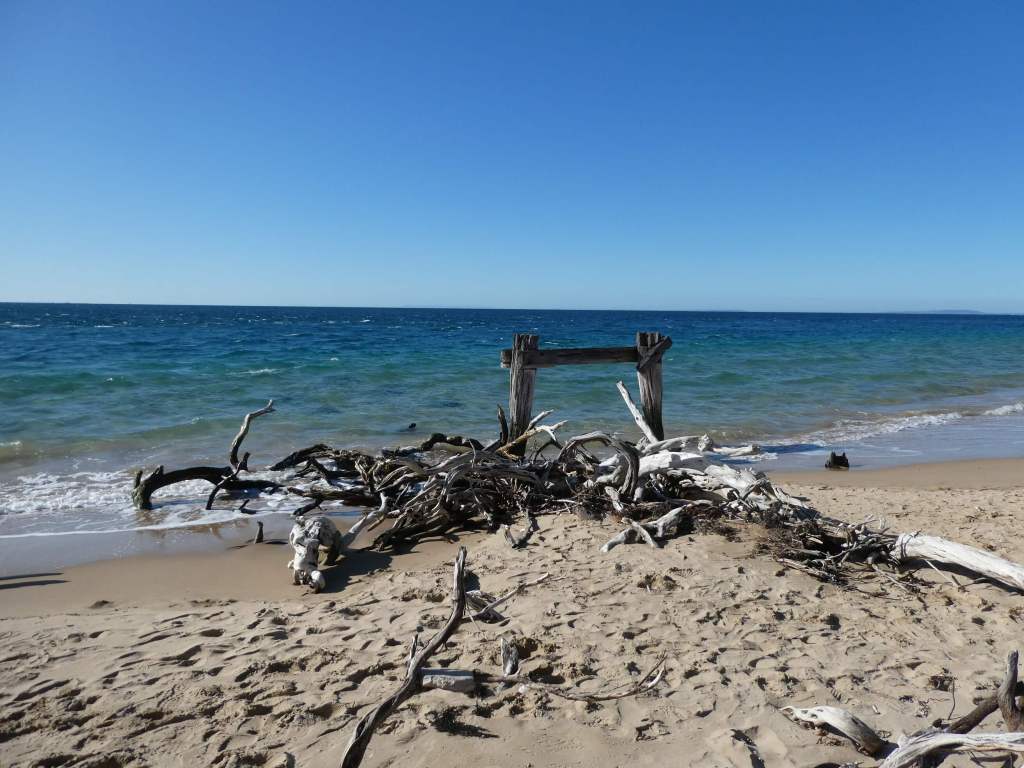
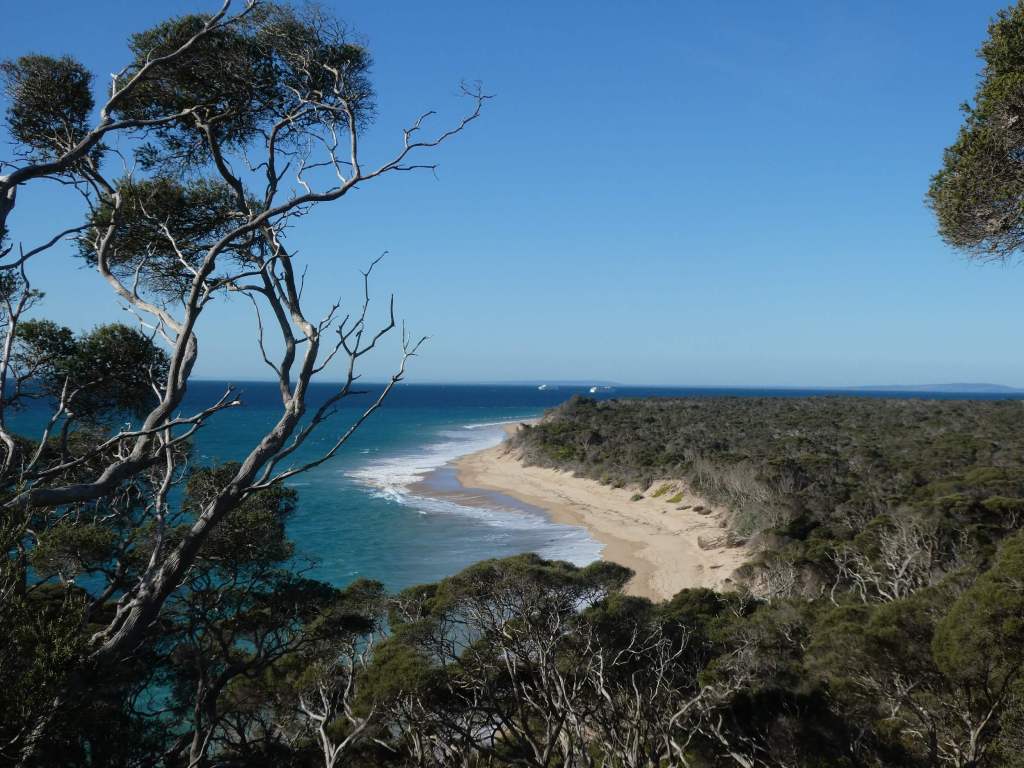
As we walked from the Gunners Cottage we started to see more and more remnants of the old fort that was here. There were many gun embankments hidden into the hillsides and, as you can see by the maps, there is a lot of infrastructure with tunnels, hidden guns, storage for artillery and living areas for the men involved in all this.
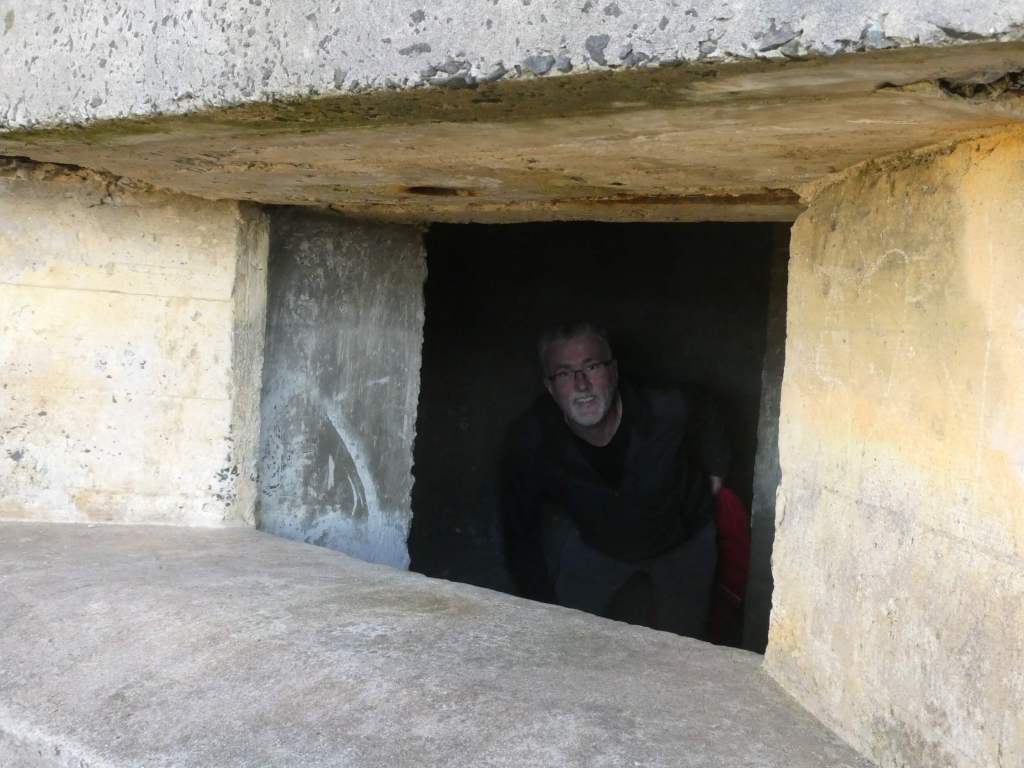
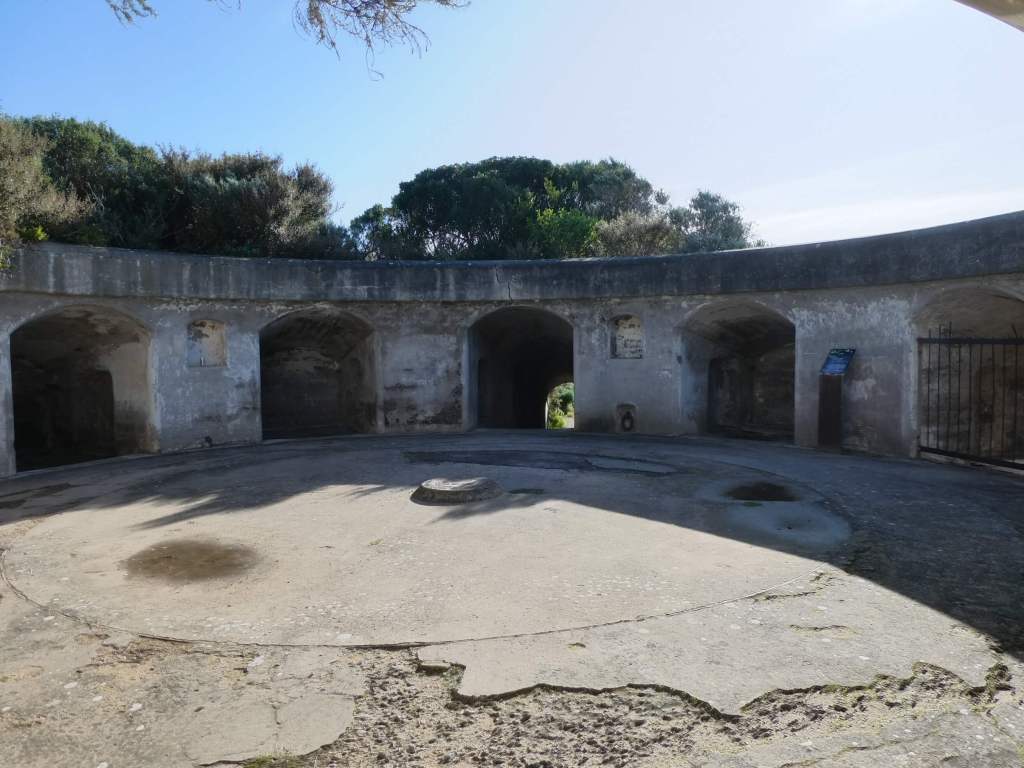
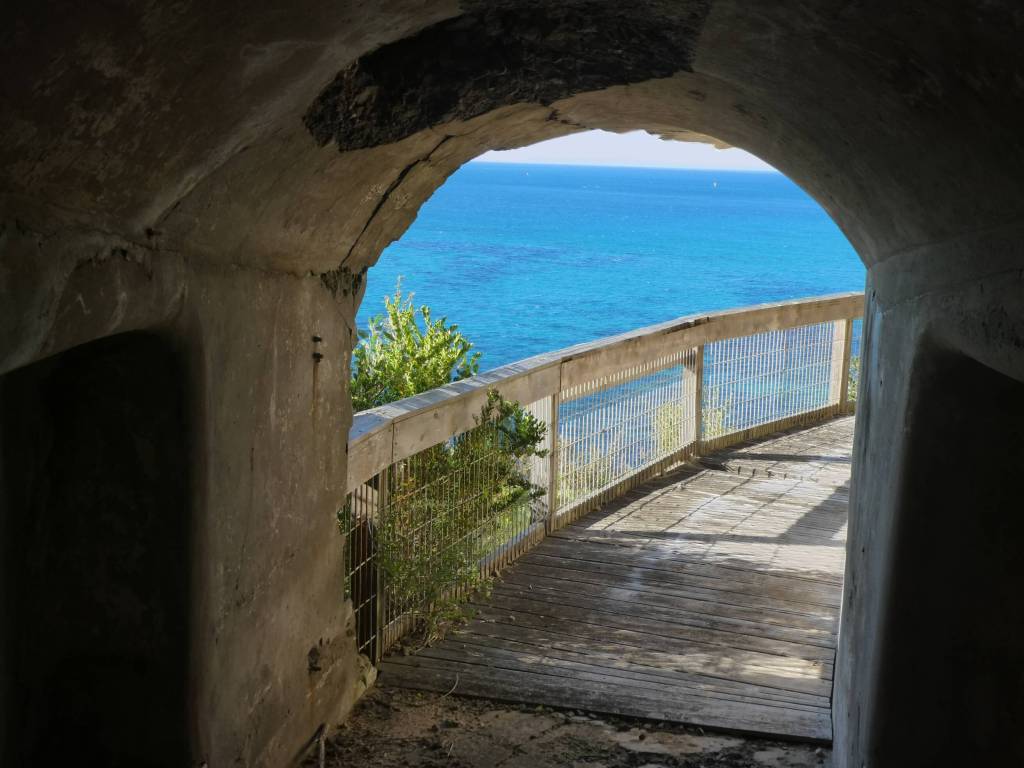
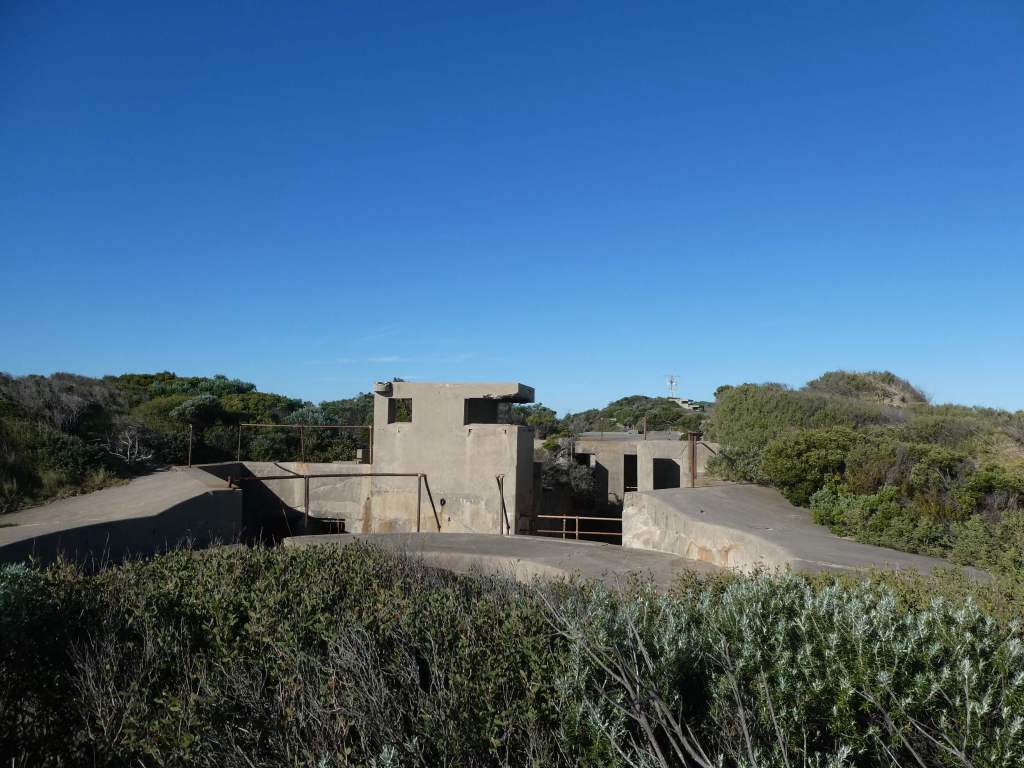
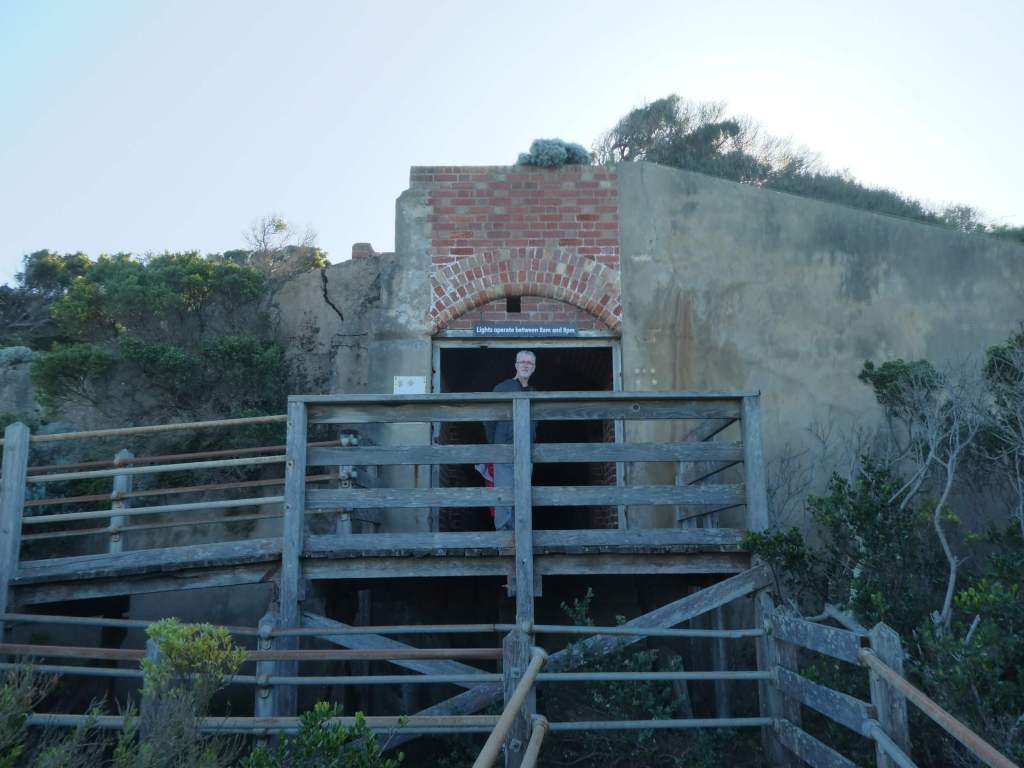
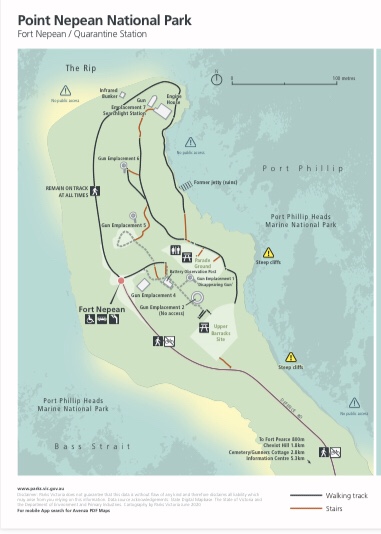
The first Australian shots in both world war one and two were fired from here – both over the bow of ships as warning shots.
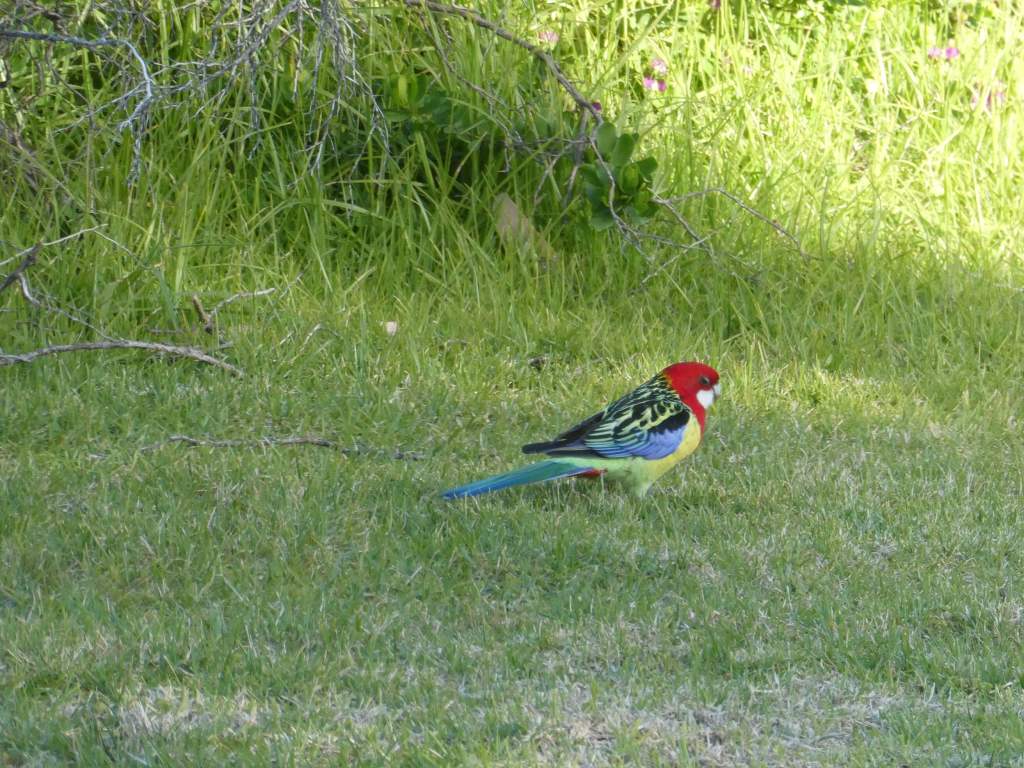
I didn’t get to investigate all of the joys at the end of the point – I caught the shuttle bus back to the Gunners Cottage and drove back to return our ipods to the office before they closed, then returned to wait for Trevor. I did find one interesting bird while I did this. Trevor walked back to the cottage, adding another 4 km to his walking on top of the 3km near the quarantine station and then the 5km or so that we had done on the way to the point. I guess we got our required steps in.
 Luvapuzzle