We stopped in at this little Australian botanical garden on our way to our camping night at Parnka Point. Our entire trip took us 370km, but Wellington is about half of that from the city. Not a problem for a day trip.
It is a stunning little spot with lots of birds and flowering natives.
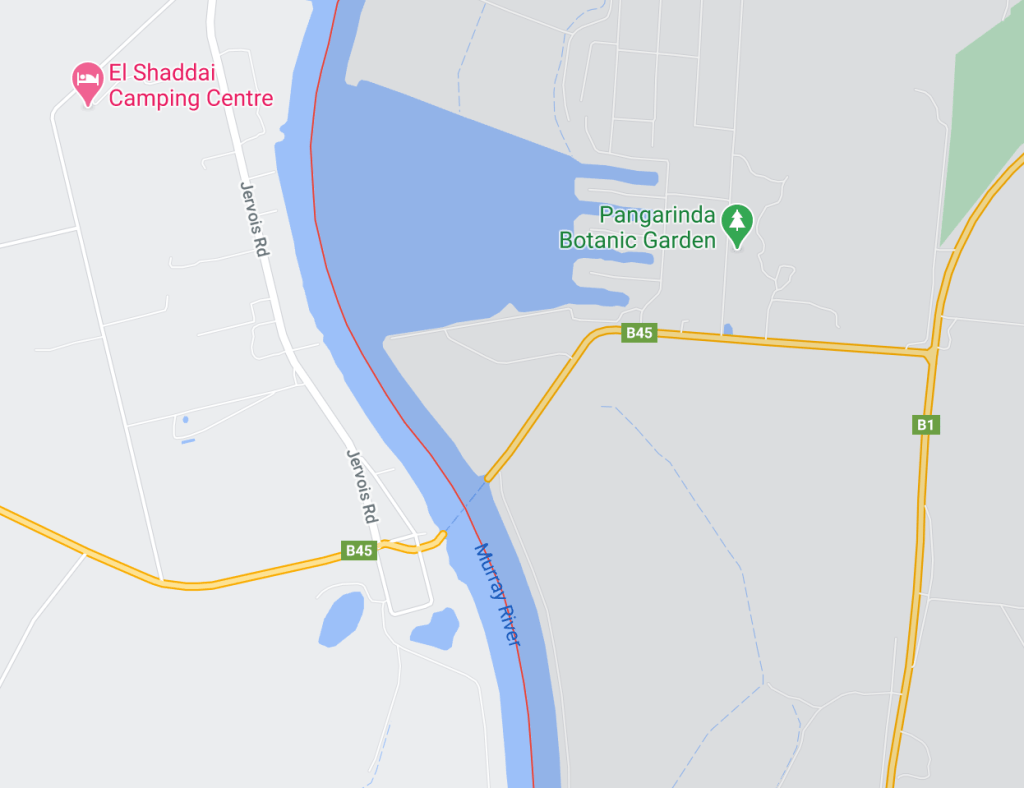
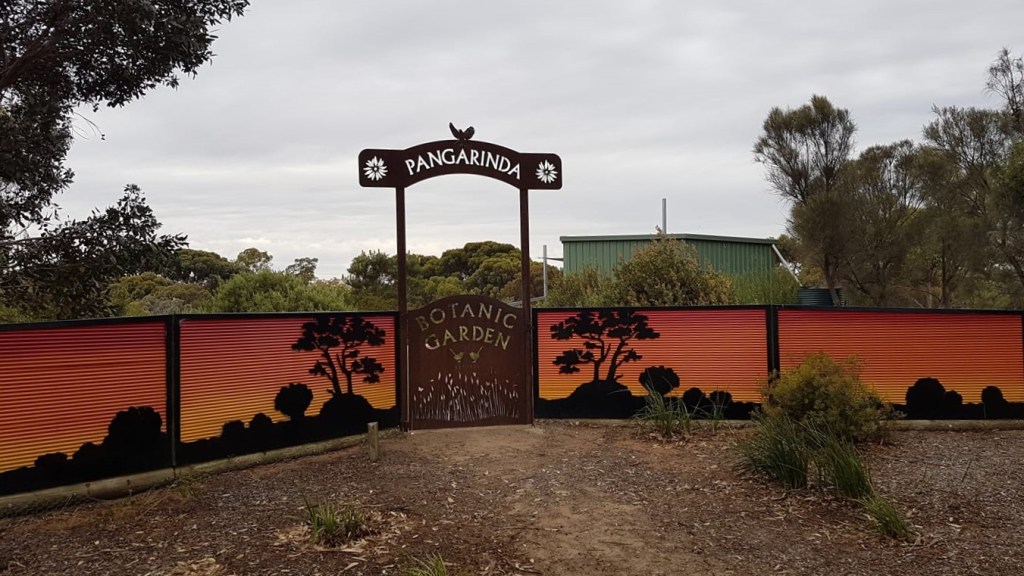
You find the garden on the Eastern side of the Murray river, not far along Pangarinda road. You can’t miss it – just look for the fancy entrance.
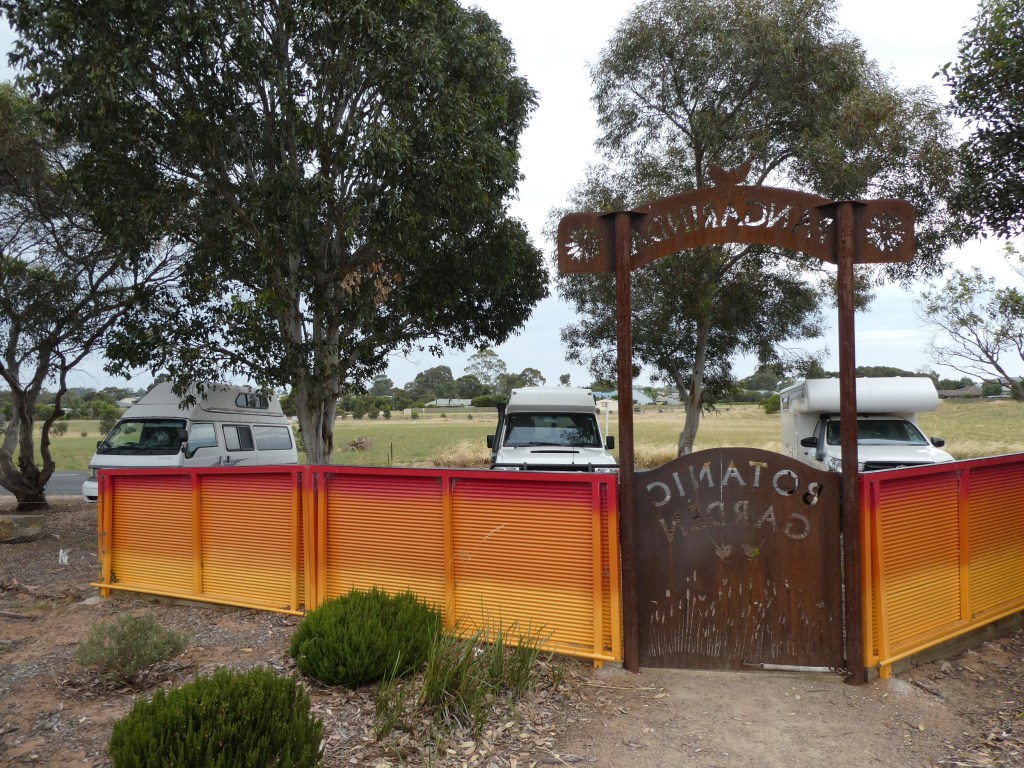
This is where we met up with Jan (Trev’s sister) and Ross, and Raelene (another sister). I got a bit of a buzz out of seeing the 3 family camping vehicles all parked next to each other , peering over the fence and waiting for the next leg of the trip. (Rae’s Tilly is on the left, Jan and Ross’s Troopy in the middle and our Hilux on the right of picture).
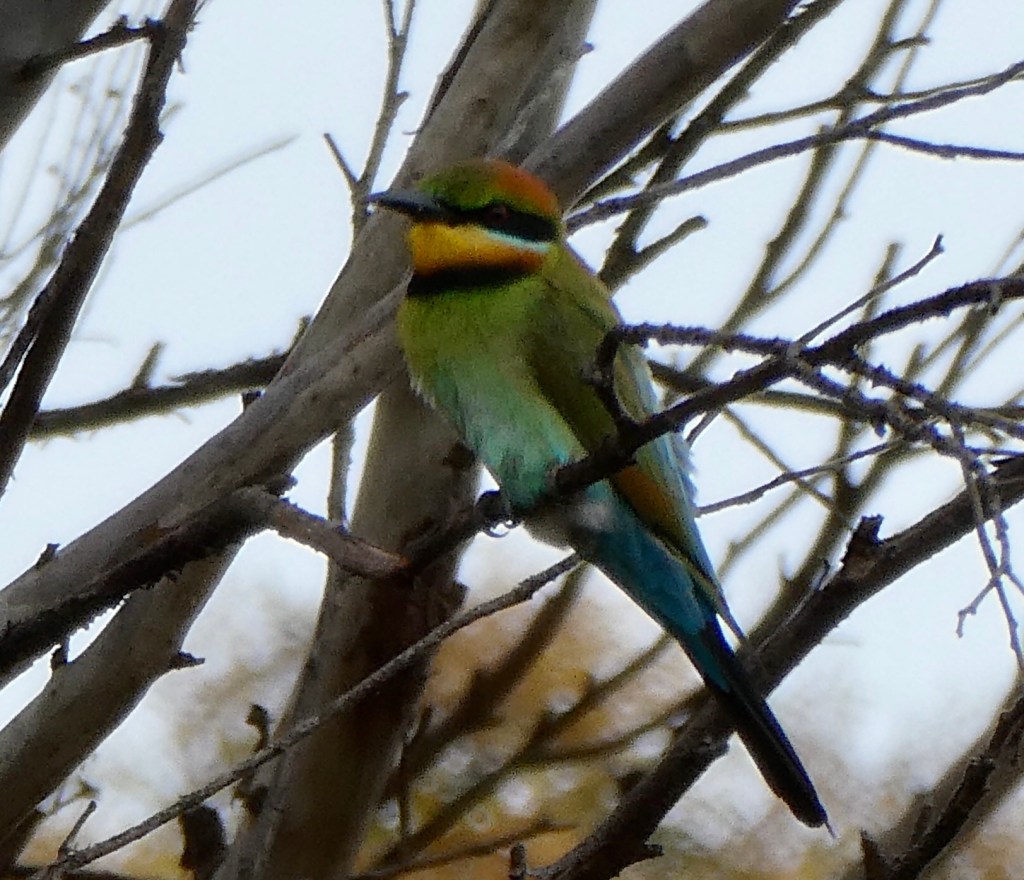
The highlight of the visit was the sighting and photographing of rainbow bee eaters. (well done Trevor). What beautiful and cooperative little birds.
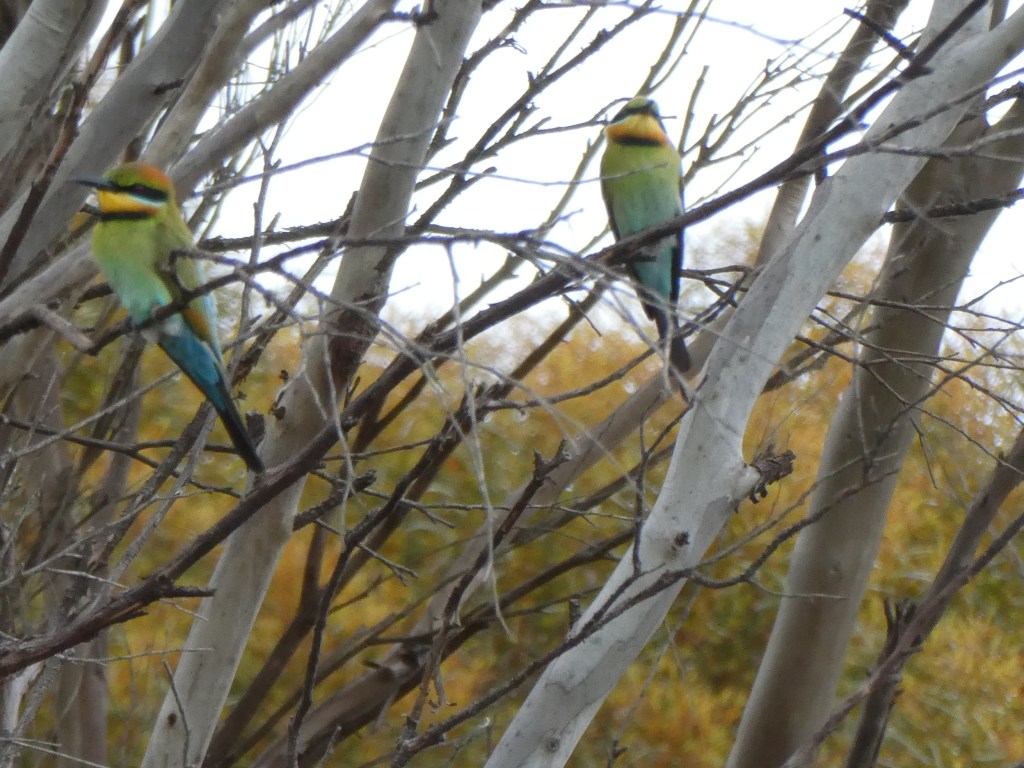
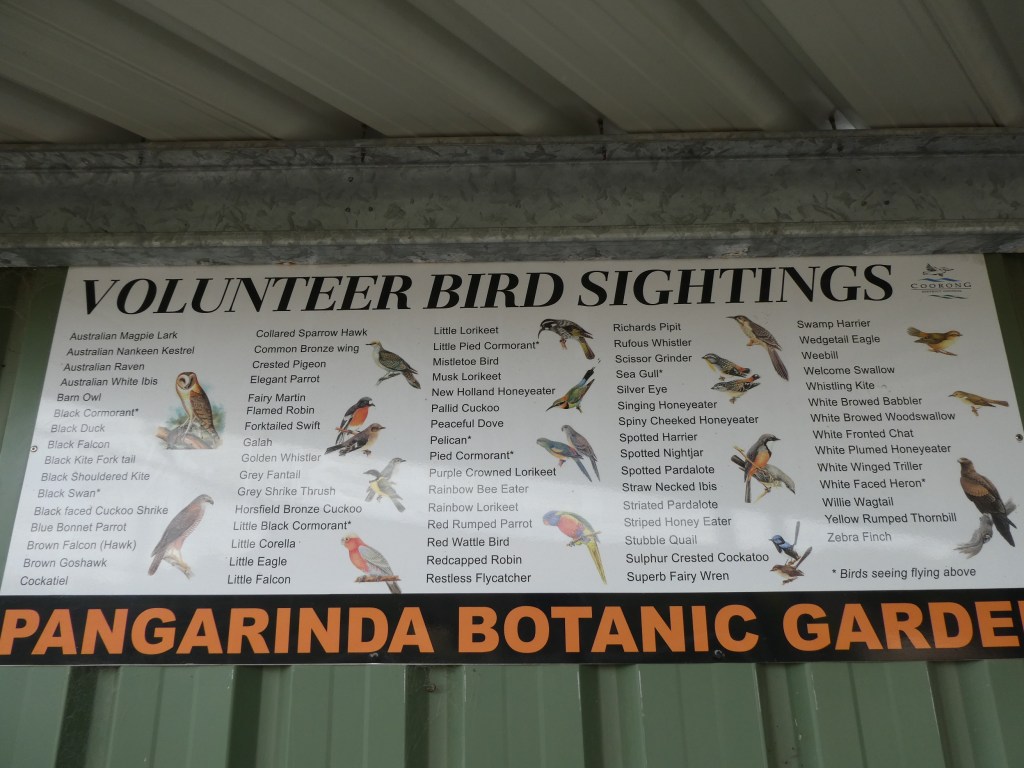
There were a lot of other birds around, but, apart from wattle birds, Red rumped parrots and New Holland Honeyeaters we were unable to identify any of them.
There was even a list of sighted birds to help us out!
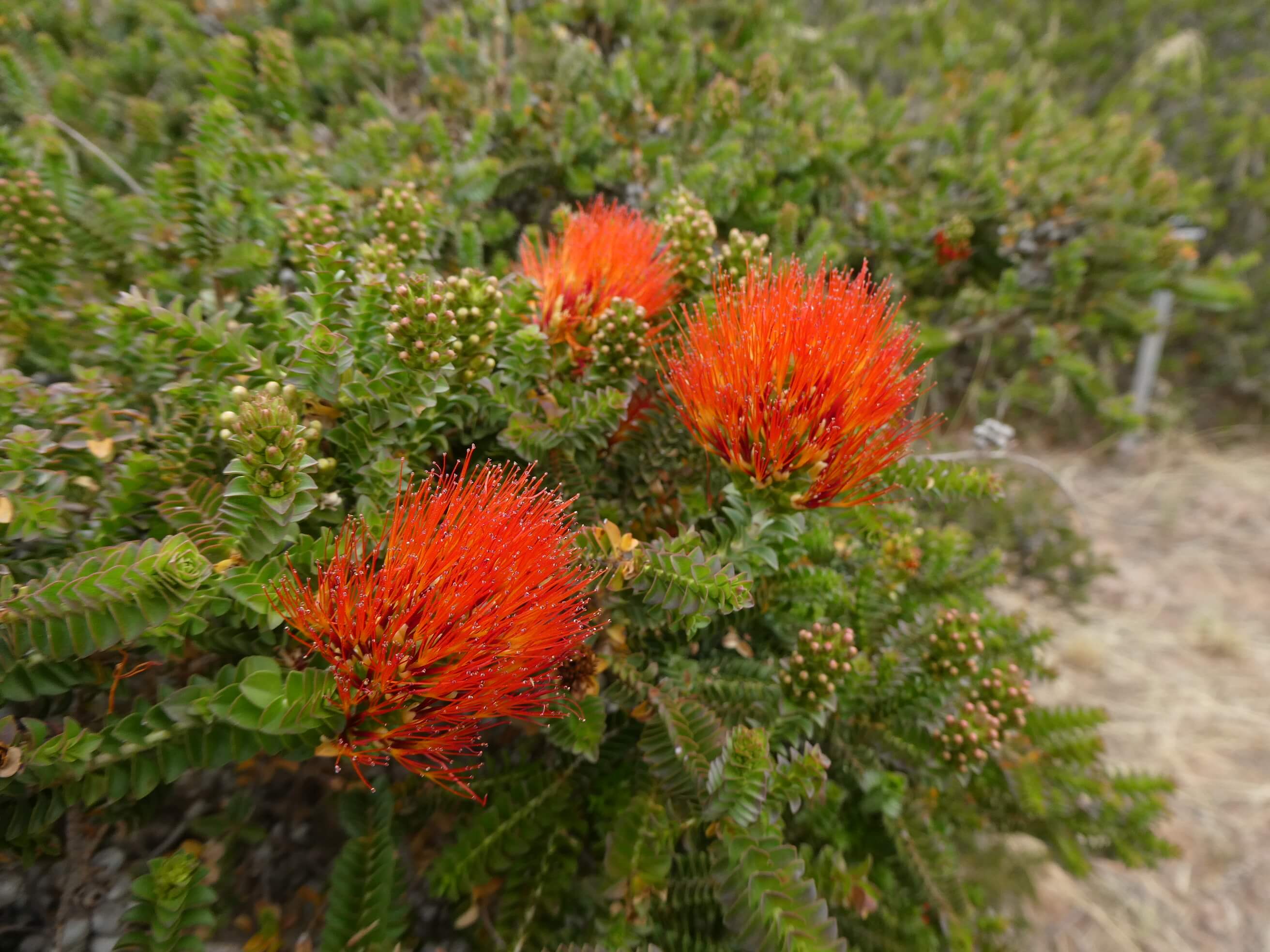
The plants alone were worth a visit. It really is a photographers dream and I had a ball trying to capture the lovely blossoms.
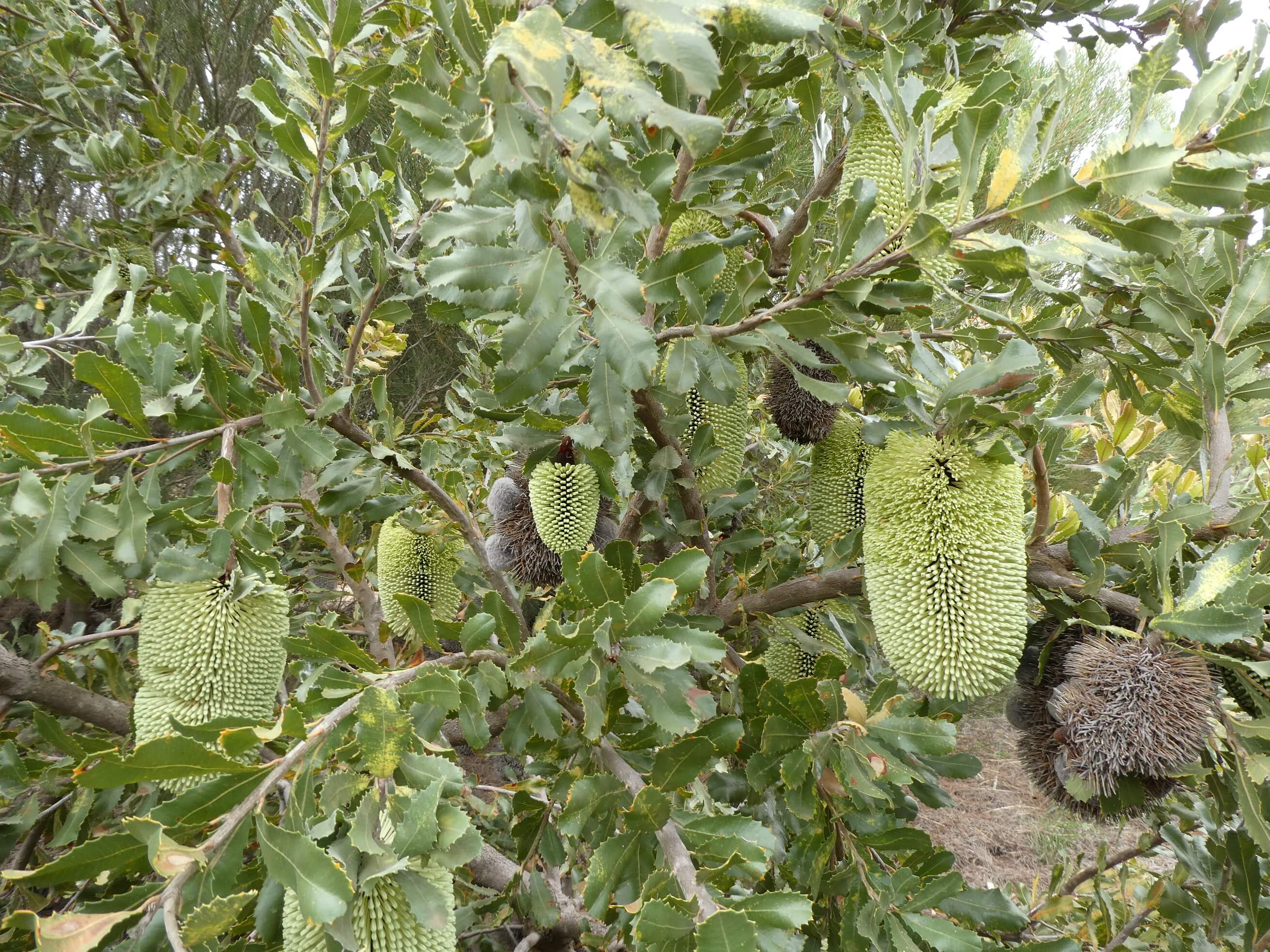
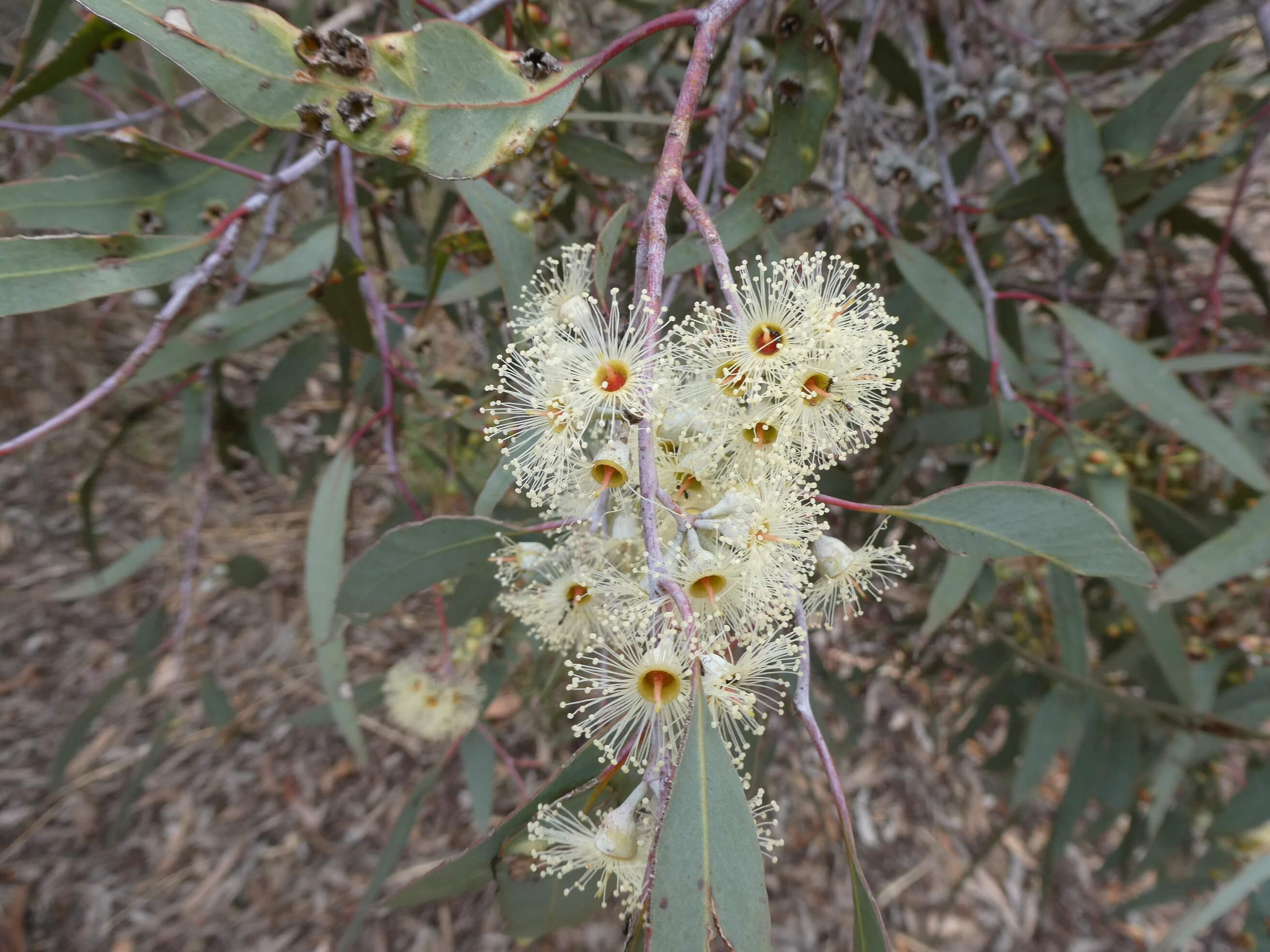
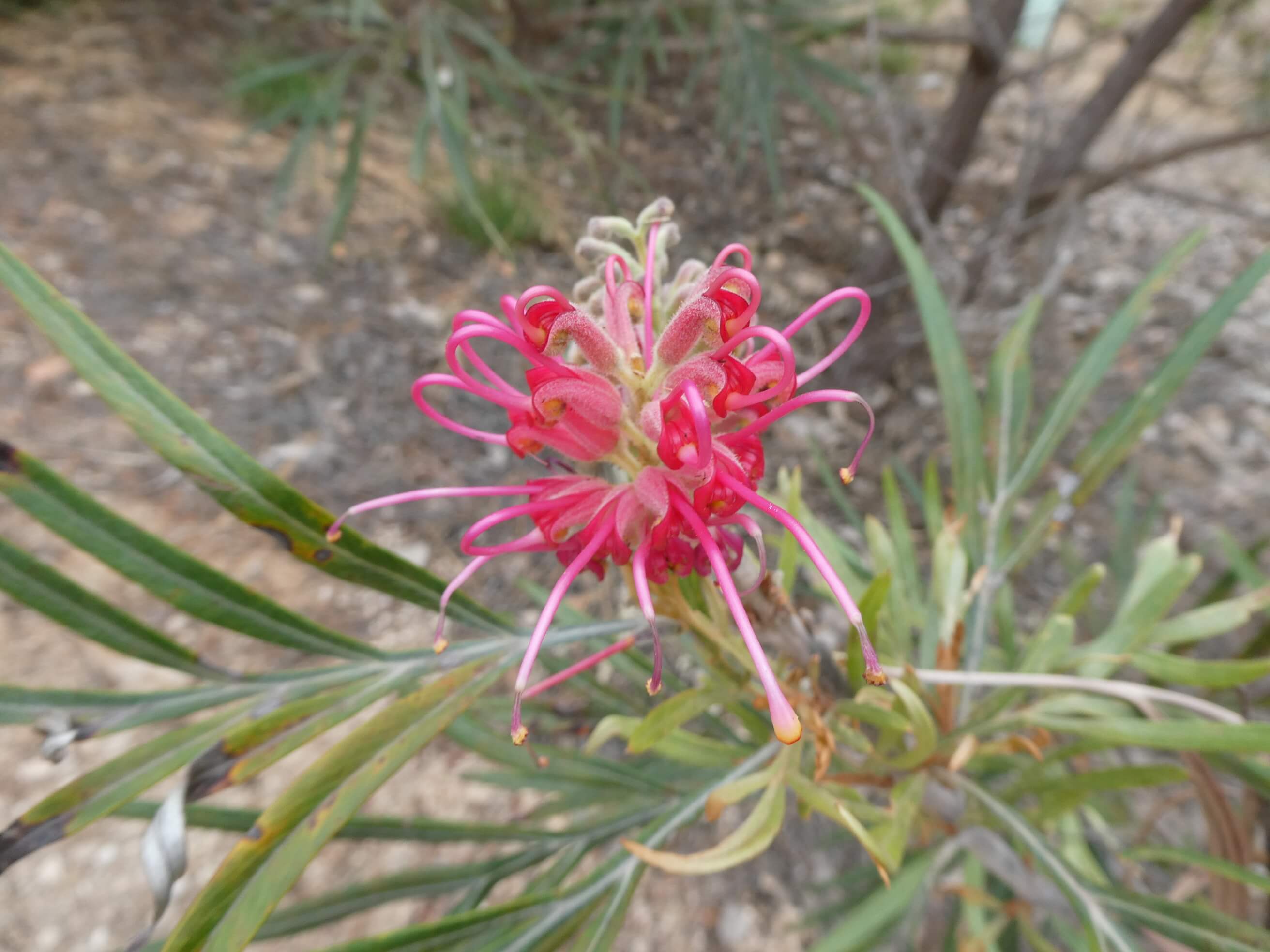
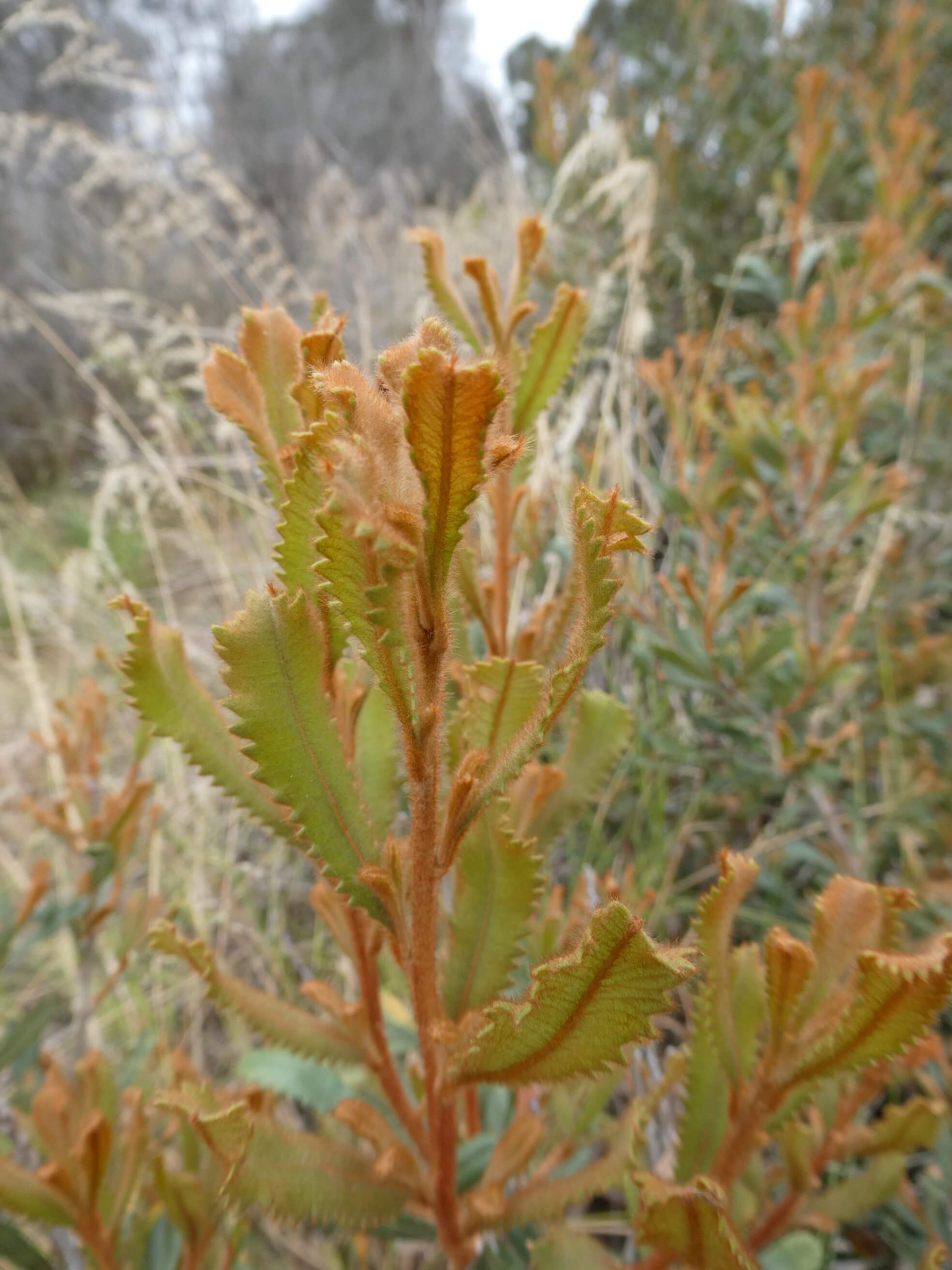
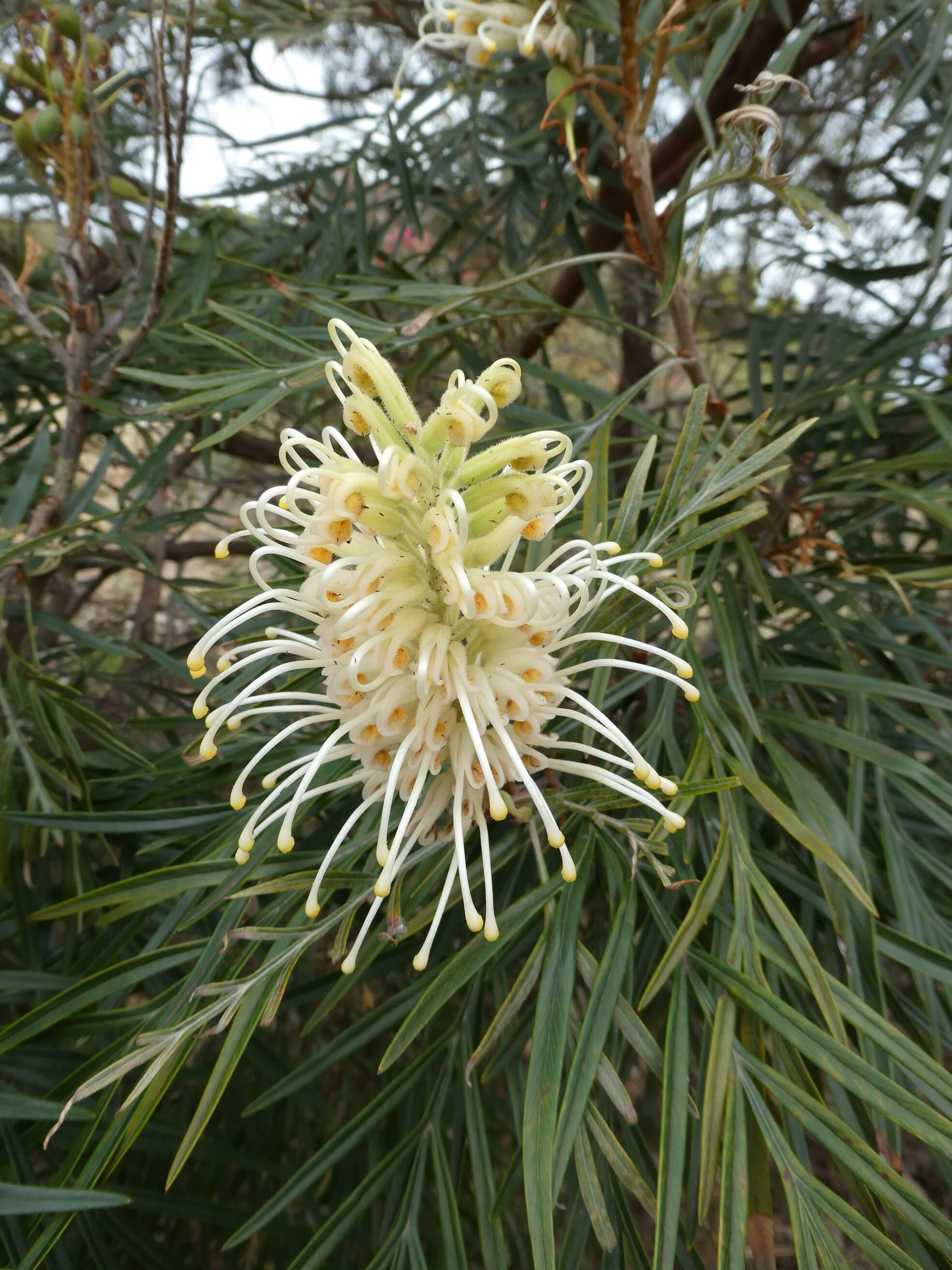
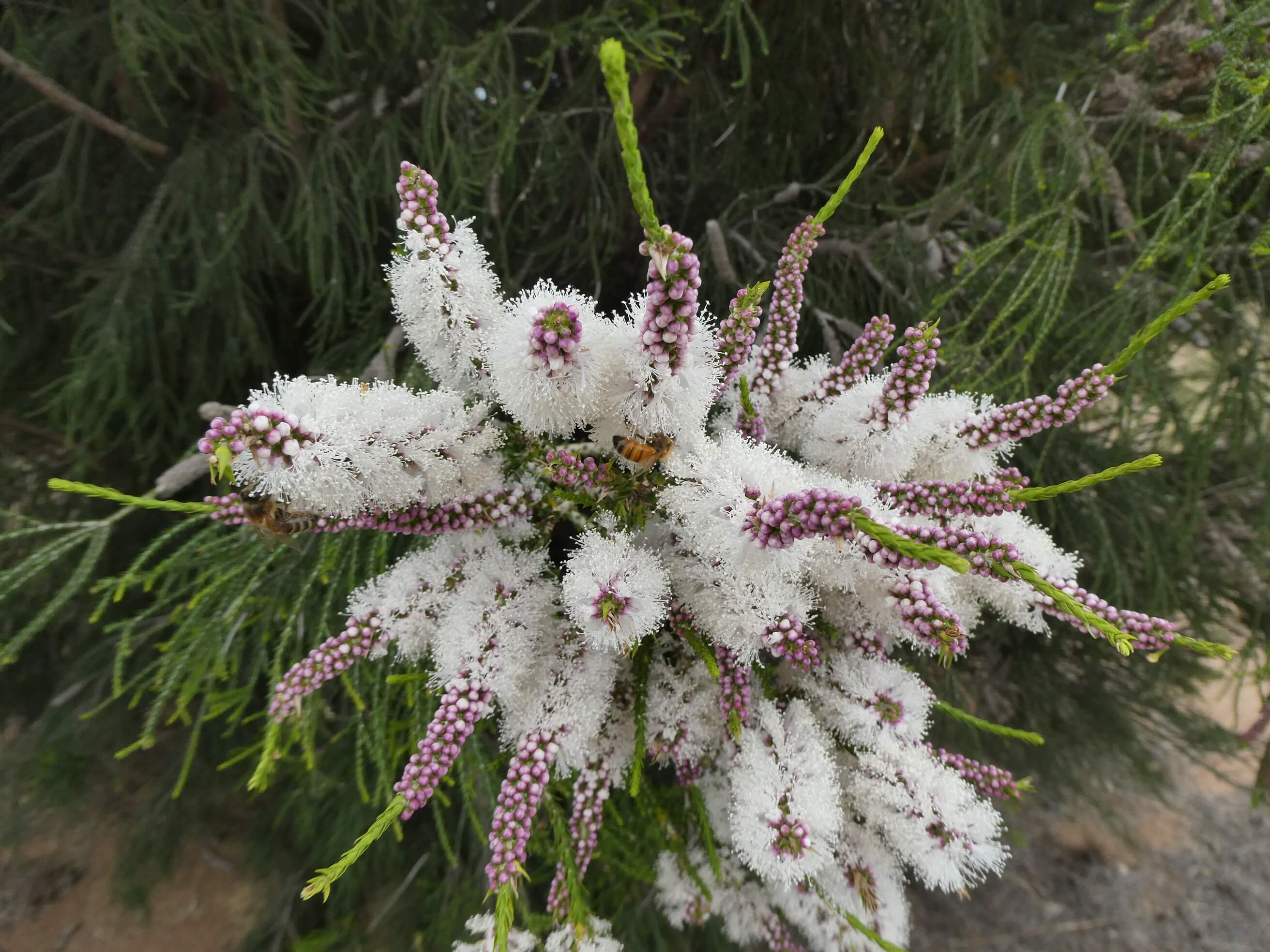
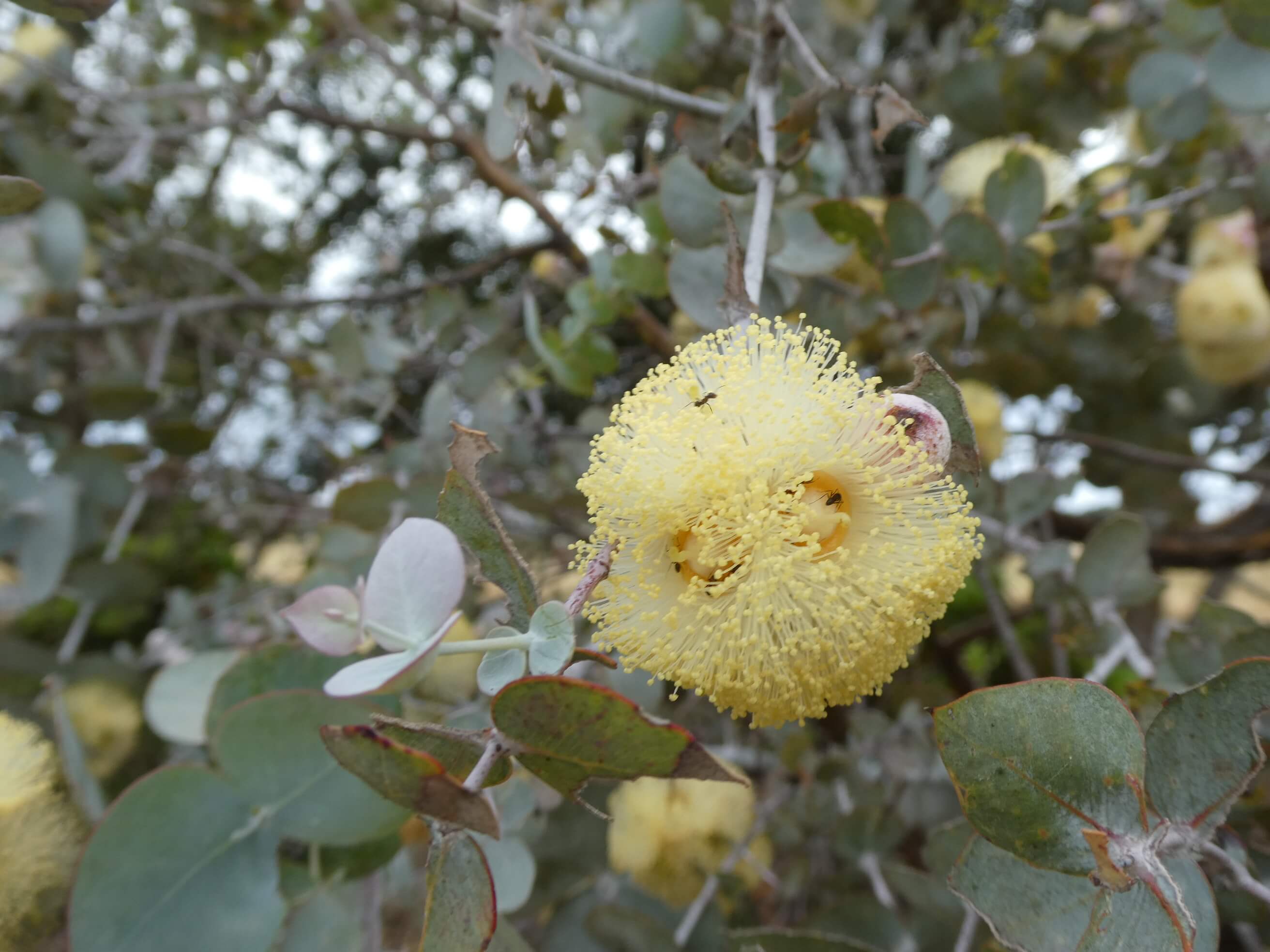
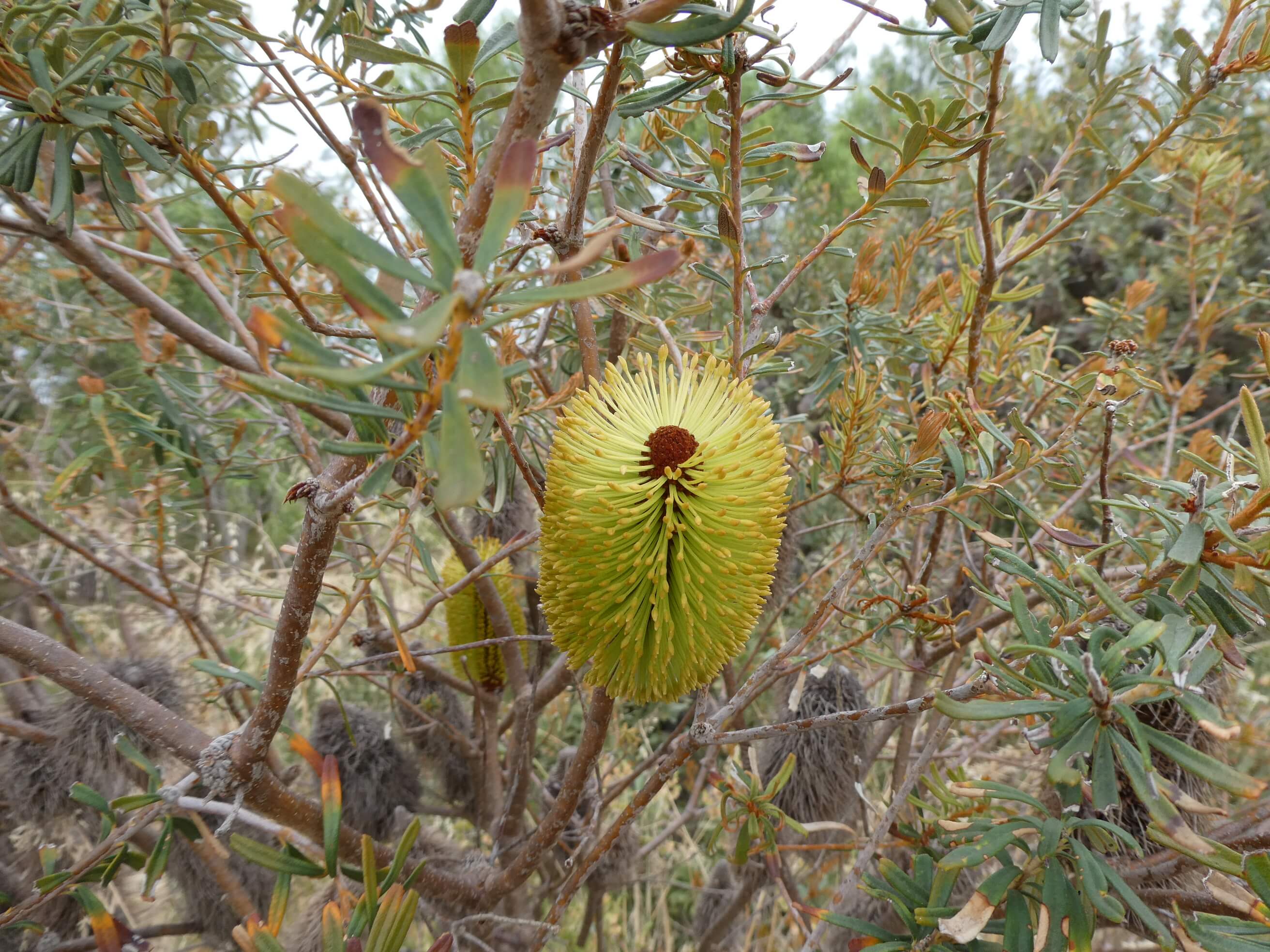
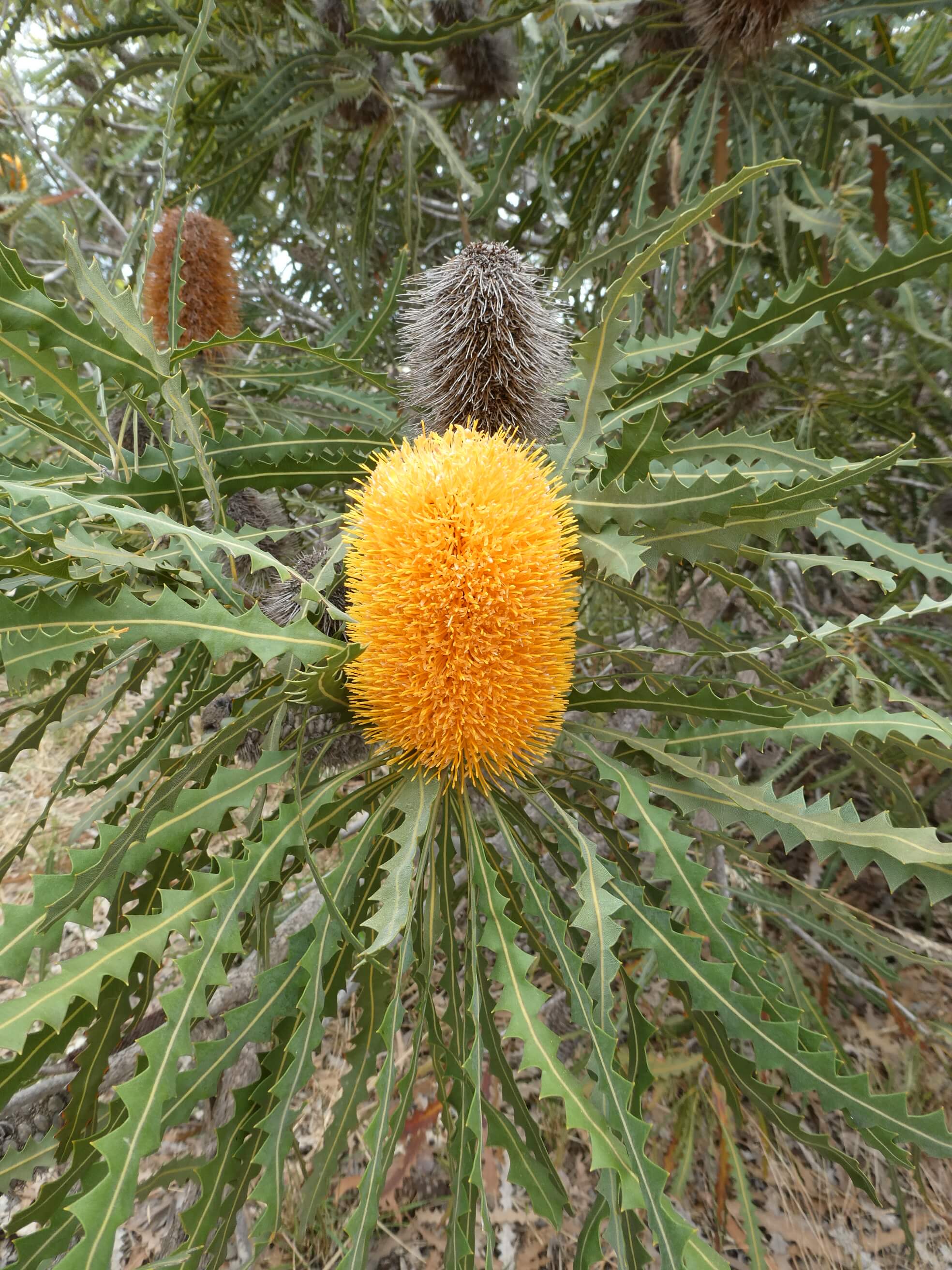
It’s hard to believe that there was nothing here in 1993 and a dedicated group of volunteers has made this dream into a reality.
They have carved out a number of differently themed areas through the 30 hectares of former sand dune. Area A,B,C and D show plants from
- drier agricultural regions of SA (including Mallee, Coorong, Murray River and Kangaroo Island)
- Northern Sand plains of WA
- Southern Sandplains of WA
- Arid inland species (WA, NT and northern SA)
- Local plant species (honouring Paraympian Katrina Webb)
- plantings of rare native ground orchids
Some of the areas are remarkably well signed – making it very easy to identify the various plant names.
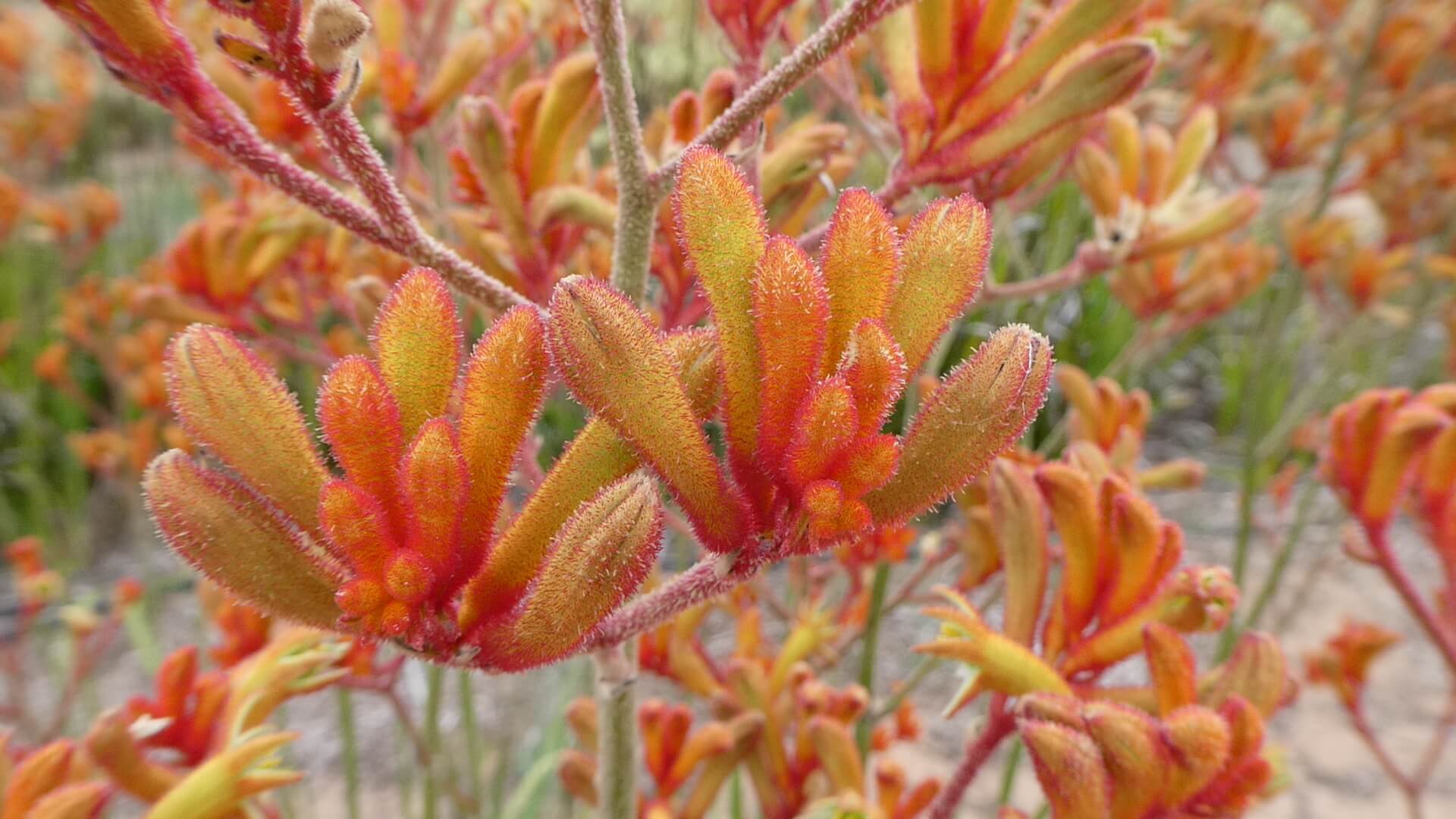
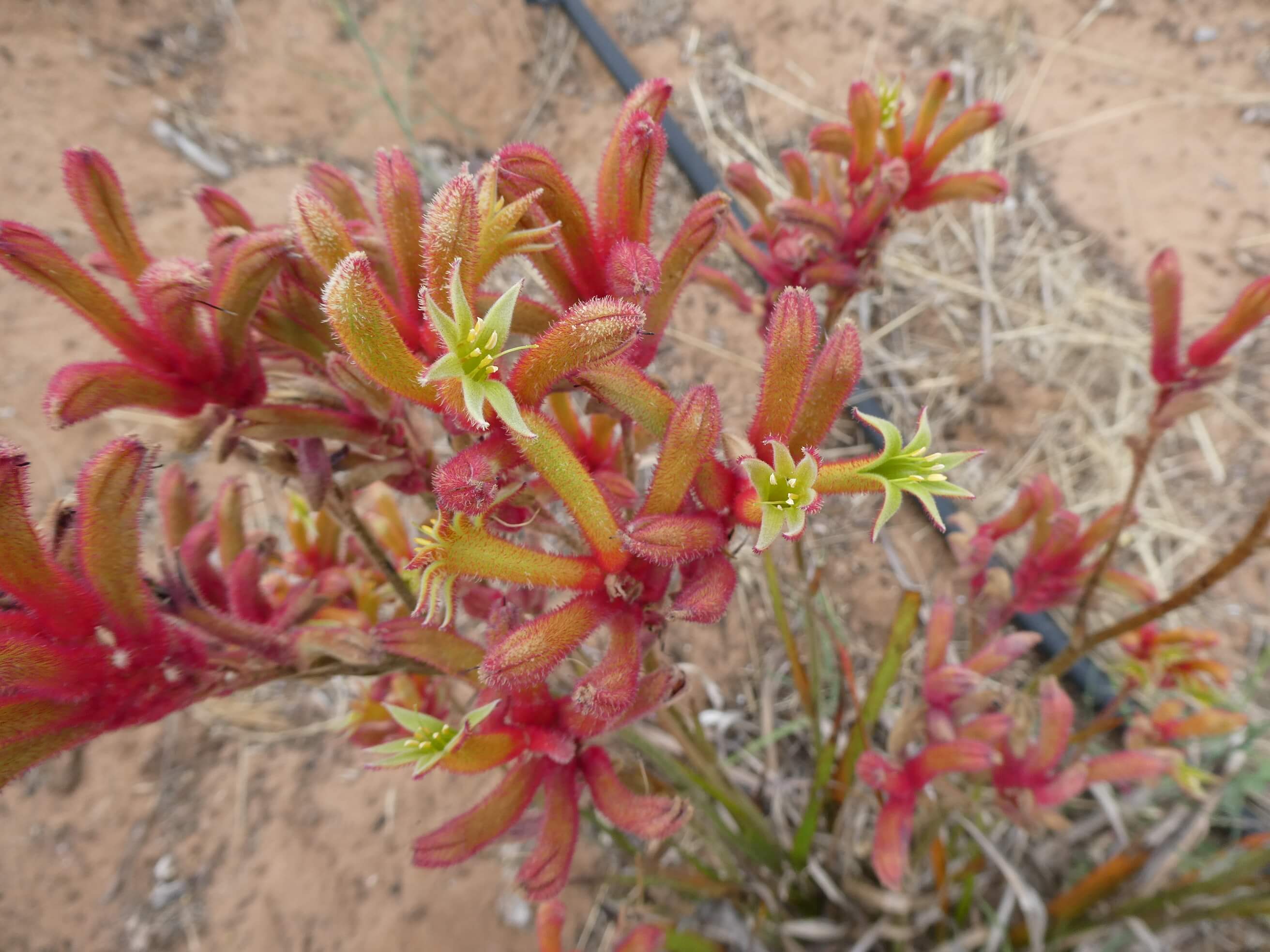
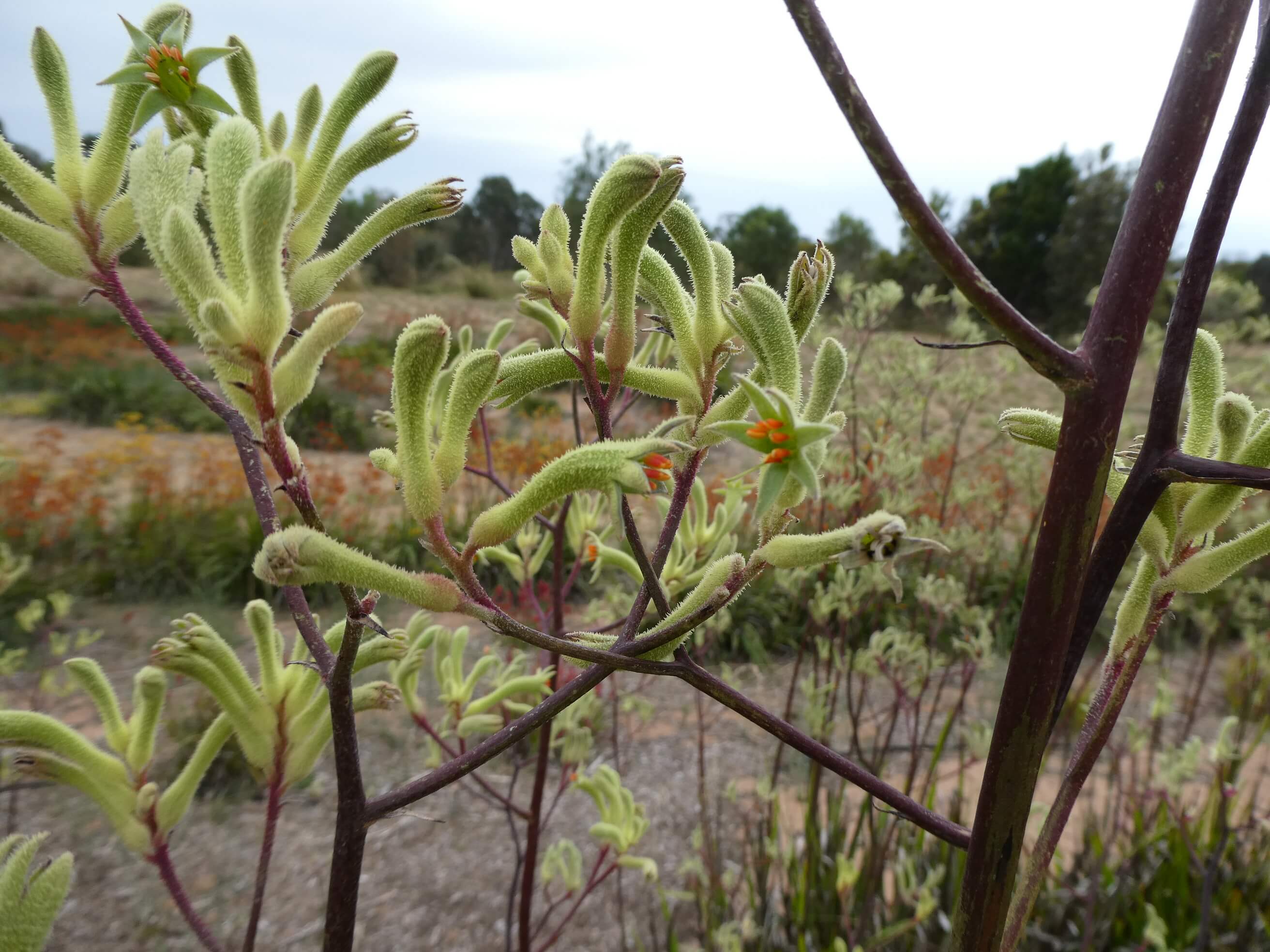
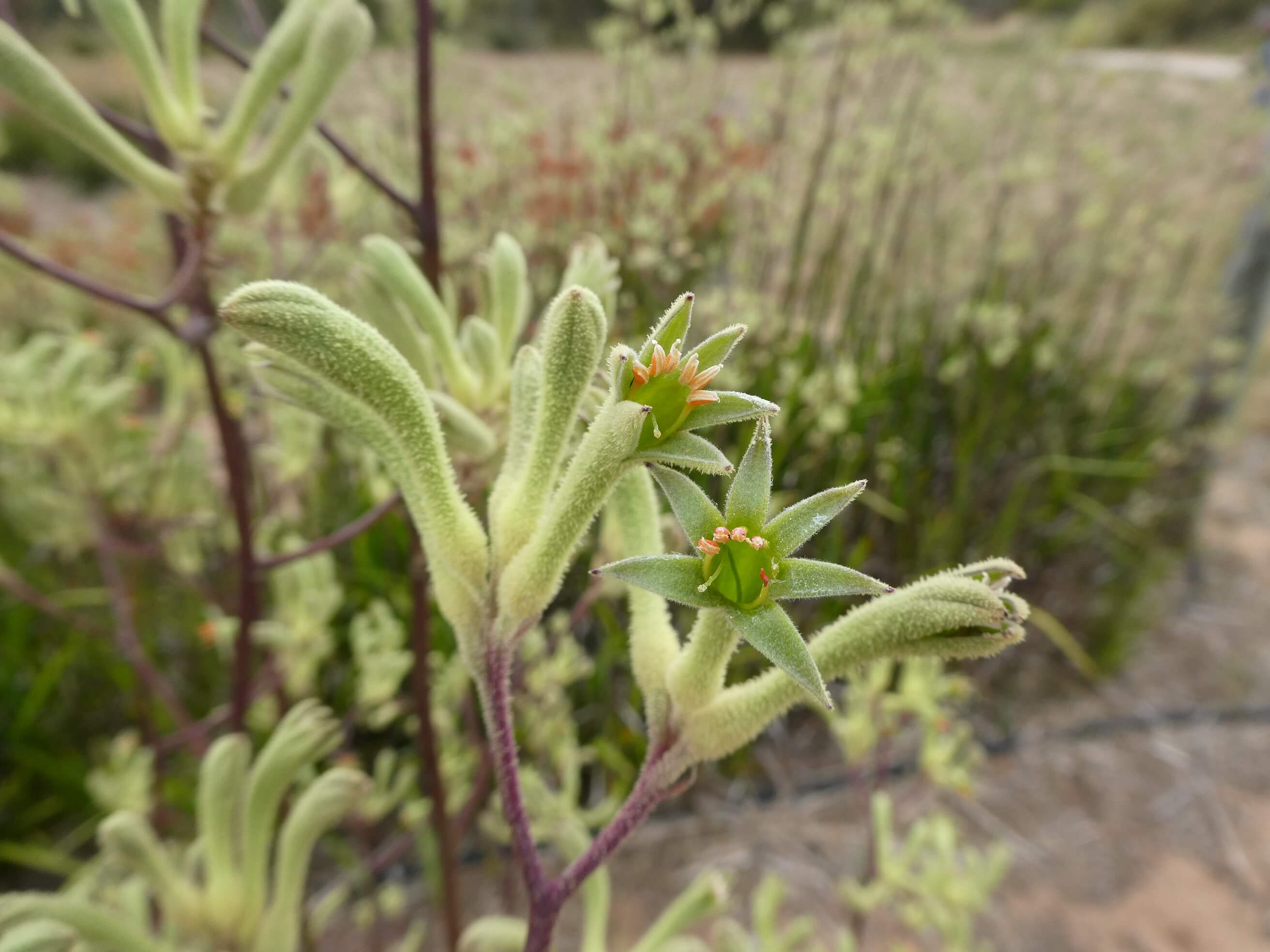
We enjoyed the delightful display of WA Kangaroo Paw. Their fuzziness and unusual structure always fascinates me.
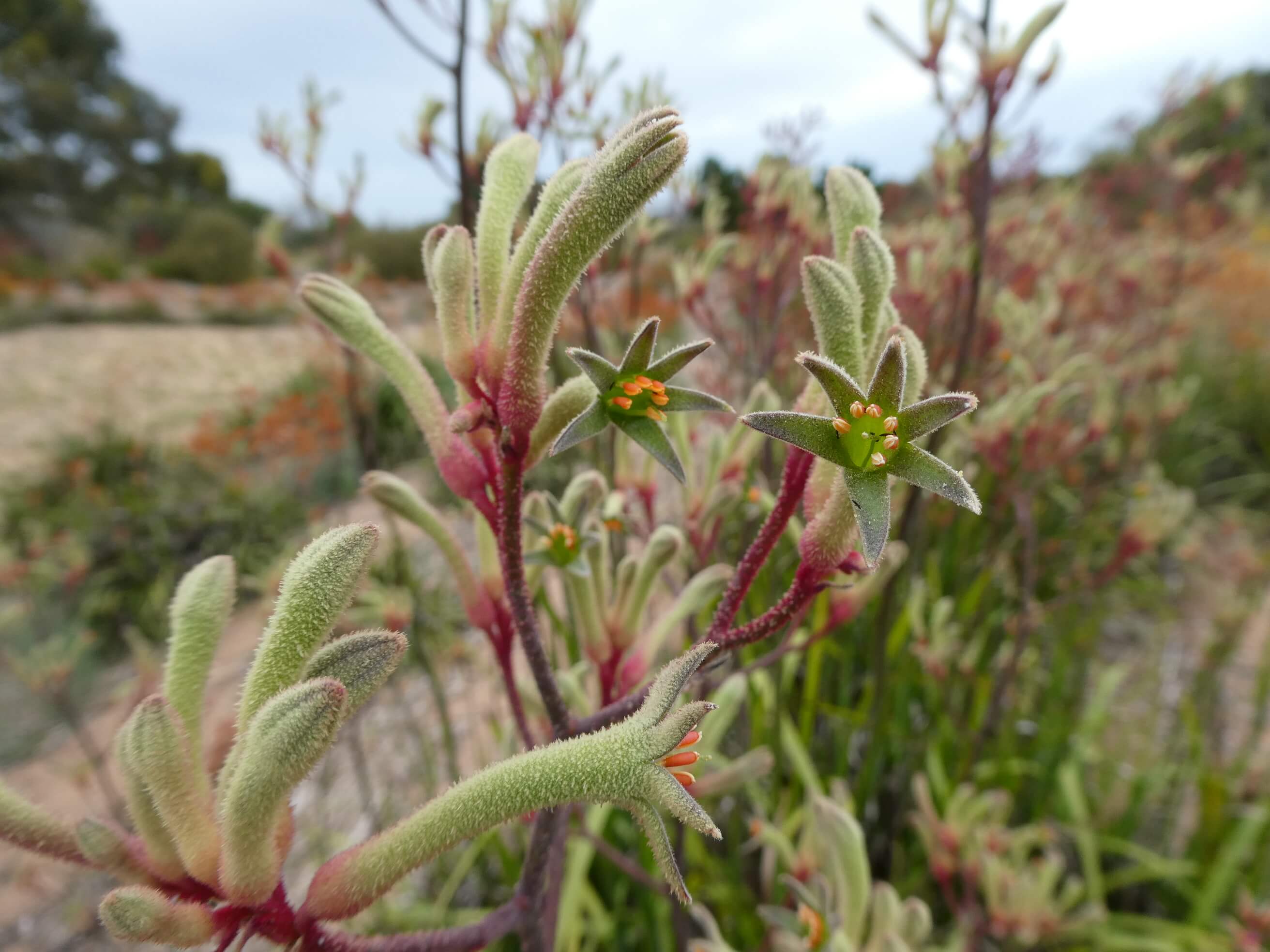
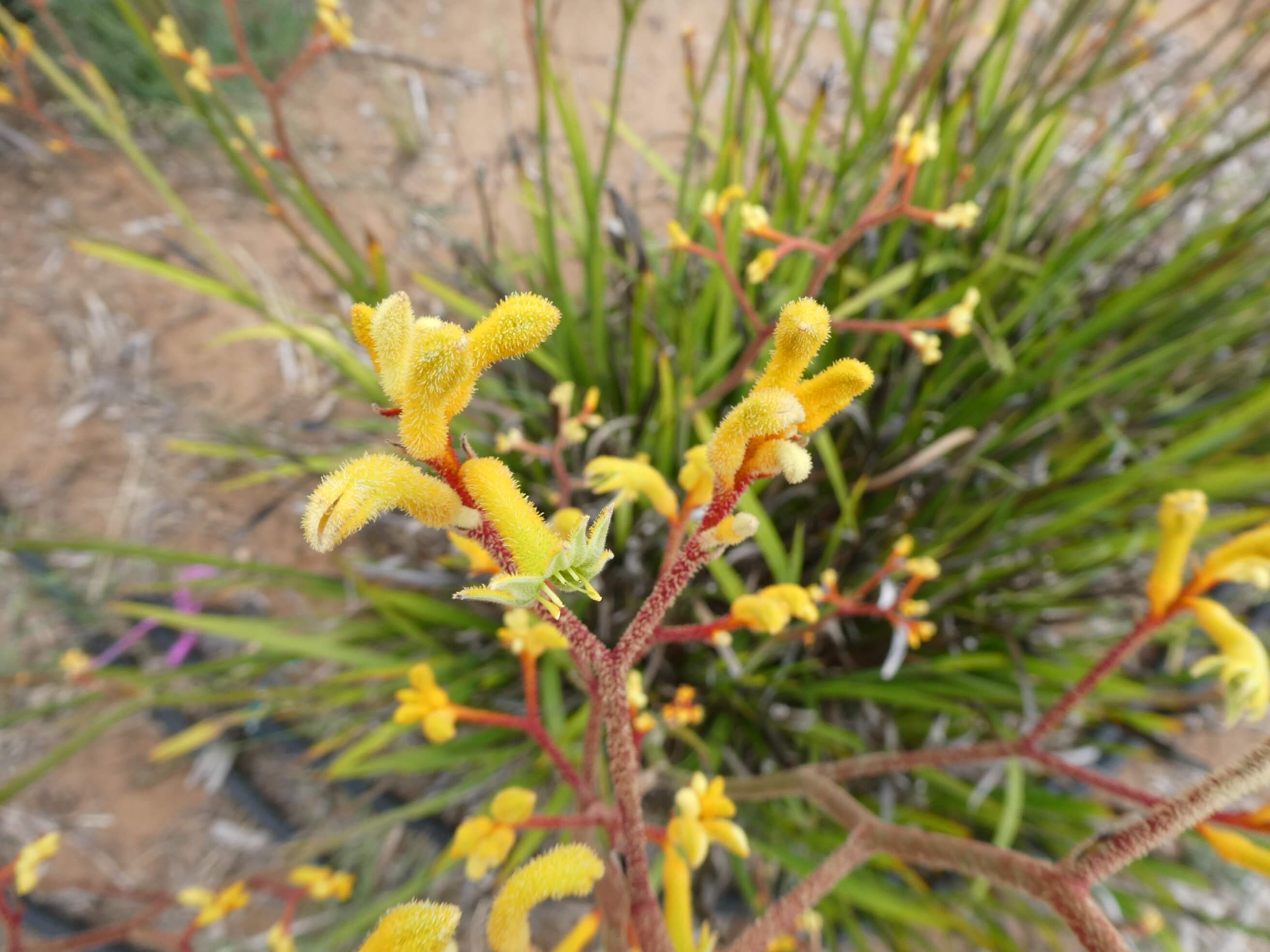
The Prostrate Banksia was also a favourite. (how unusual!!!)
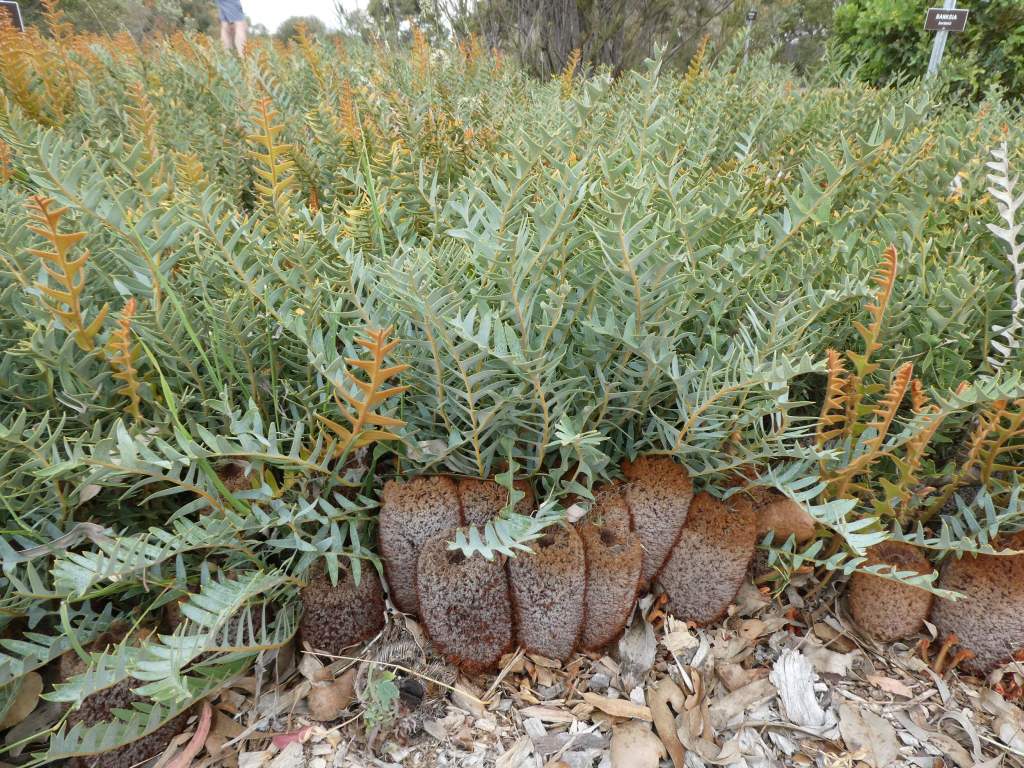
We highly recommend this terrific spot for plant spotting, bird spotting or both.
 Luvapuzzle